The world will experience a total lunar eclipse on March 3 when Earth positions itself between the Moon and the Sun. Residents of eastern Asia and parts of the Americas will even witness a ‘Blood Moon’ during the eclipse with a large part of the world experiencing at least a partial eclipse.
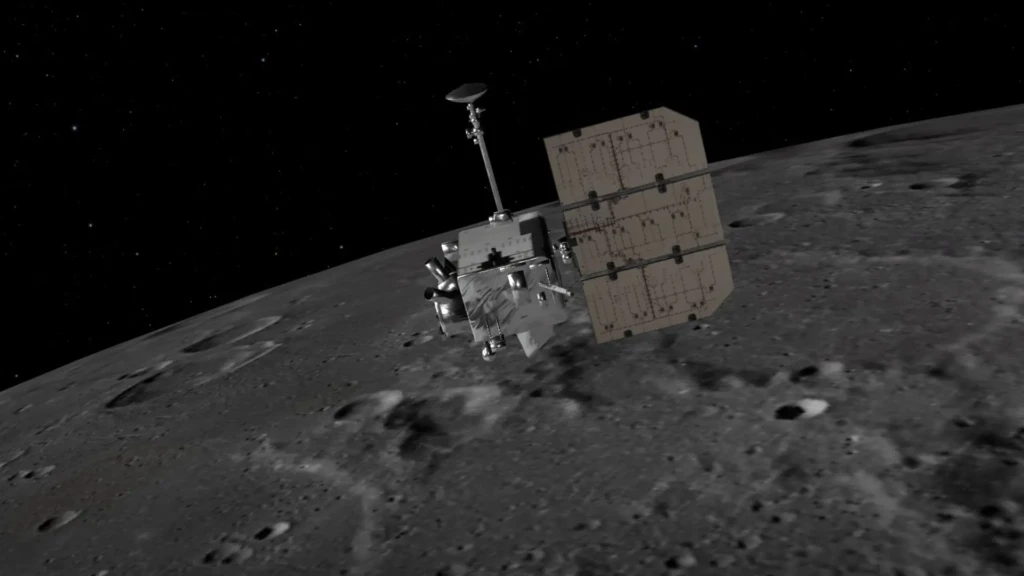
But it’s the opposite for NASA’s Lunar Reconnaissance Orbiter (LRO) which has been studying the Moon since 2009.
From the Moon, a lunar eclipse looks like a total solar eclipse, but it lasts a LOT longer. For NASA’s Lunar Reconnaissance Orbiter, that means the team has to plan carefully for the 4 hours that the spacecraft — and its solar panels — will be in the dark and the cold.
🌑🛰
1/3 pic.twitter.com/equoMRL6Gm— NASA Solar System (@NASASolarSystem) March 2, 2026
For the LRO, Earth will act as the blocker that will cover the face of the Sun for a brief period. In preparation of the event, a NASA team is working to ensure the orbiter survives the four hours when its solar panels will not receive any sunlight and temperatures will drop significantly.
“To make it through, the team will temporarily turn off the science instruments and the main antenna, saving power to bring LRO back online after the eclipse,” NASA posted on X.
NASA has been using LRO to map the Moon’s surface and measure its temperature, composition, and radiation environment in unprecedented detail. Besides identifying potential landing sites for astronauts on lunar missions, the orbiter also helps find areas with water and ample sunlight near the lunar south pole.
The total lunar eclipse
The total lunar eclipse is set to begin at 2:14 pm IST [3:44 am EST] today – that’s when the Moon will start entering Earth’s shadow. The total eclipse will be visible in the evening from eastern Asia and Australia, throughout the night in the Pacific, and in the early morning in North and Central America and far western South America.
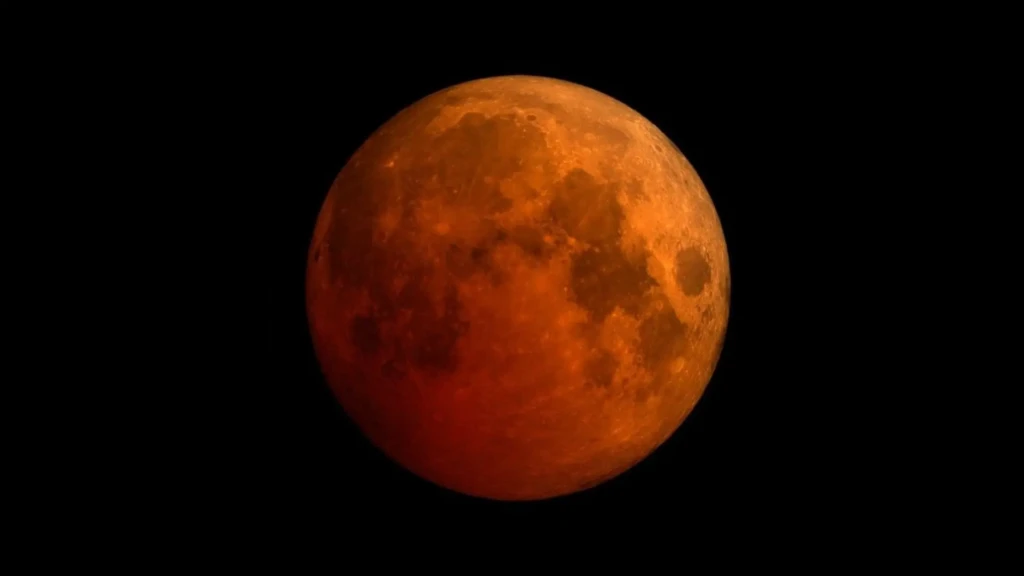
The totality (when Moon will turn blood red) will start at 4:34 pm IST [4:50 am EST] and end at 5:33 pm IST [7:03 am EST].
The partial eclipse will begin at 3:20 pm IST [4:50 am EST] and will be visible in central Asia and much of South America, and it will finally end at 7:53 pm IST [9:23 am EST].
ALSO READ: A New Comet Is Set To Dive Into The Sun And May Be Visible During The Day
ALSO READ: NASA’s Voyager 1 Will Be One Light-Day Away From Earth In 2026 – What This Means