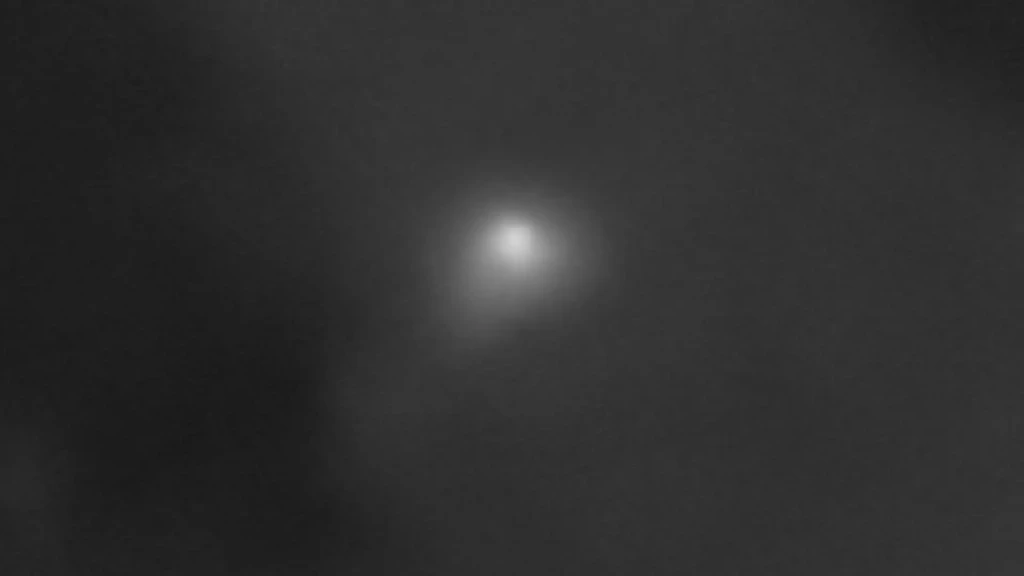
NASA has finally released pictures of the interstellar comet 3I/ATLAS captured by different spacecraft around Mars and beyond. The images were taken between September and October but the release was delayed due to the US government shutdown, which ended recently. NASA shared these pictures during a live conference at 1:30 am IST (3 pm EST) on November 20.
3I/ATLAS was discovered by the NASA-funded ATLAS (Asteroid Terrestrial-impact Last Alert System) survey telescope in Chile on July 1. Interestingly, it is the third confirmed object from interstellar space after 1I/Oumuamua and 2I/Borisov, discovered in 2017 and 2019, respectively.
We’ve just released the latest images of the interstellar comet 3I/ATLAS, as observed by eight different spacecraft, satellites, and telescopes.
Here’s what we’ve learned about the comet — and how we’re studying it across the solar system: https://t.co/ZIt1Qq6DSp pic.twitter.com/ITD6BqVlGn
— NASA (@NASA) November 19, 2025
NASA releases 3I/ATLAS images
There have been a lot of buzz about the comet possibly being an alien spacecraft, thanks to Harvard Physicist Avi Loeb and his theories, but NASA and other space agencies have refrained from calling it anything other than a comet. Scientists estimate that the comet’s nucleus is as much as 5 kilometres wide and it’s travelling at speeds up to 2,50,000 km per hour.
Amit Kshatriya, NASA Associate Administrator, put a stop to the alien tech speculations during the live event saying 3I/ATLAS is indeed just a comet.
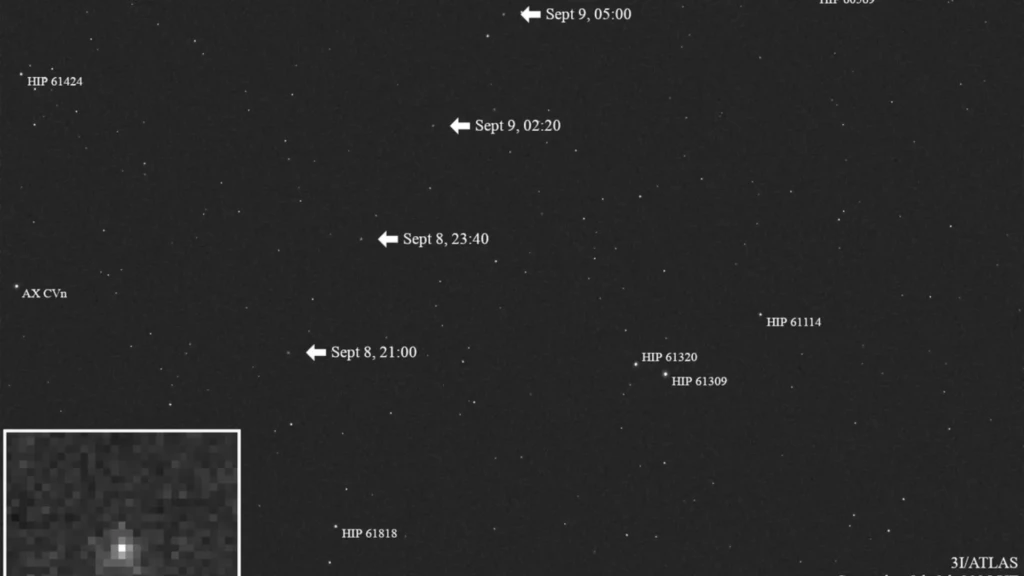
The latest pictures were captured by different spacecraft including the Mars Reconnaissance Orbiter, the MAVEN spacecraft around Mars along with the Jupiter-bound Lucy spacecraft, STEREO-A spacecraft, the Psyche mission, the Mars Perseverance rover and the Sun-spying Solar and Heliospheric Observatory (SOHO).
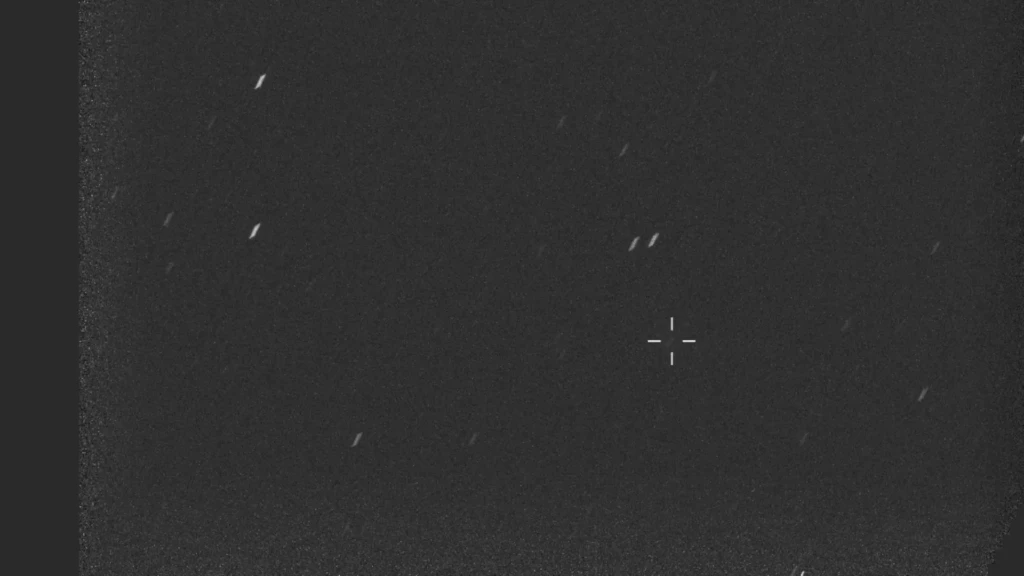
NASA revealed in a statement that Lucy was around 386 million km whereas Psyche was about 53 million away from the comet when they photographed it.
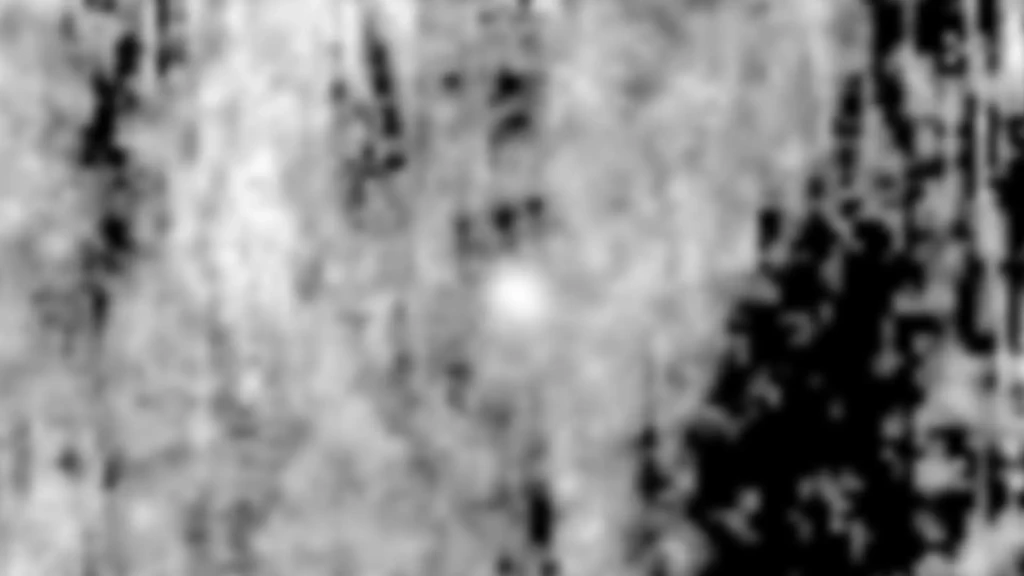
Notably, the new NASA images from Mars, like the others, were taken before 3I/ATLAs reached perihelion i.e. closest point to the Sun on October 30.
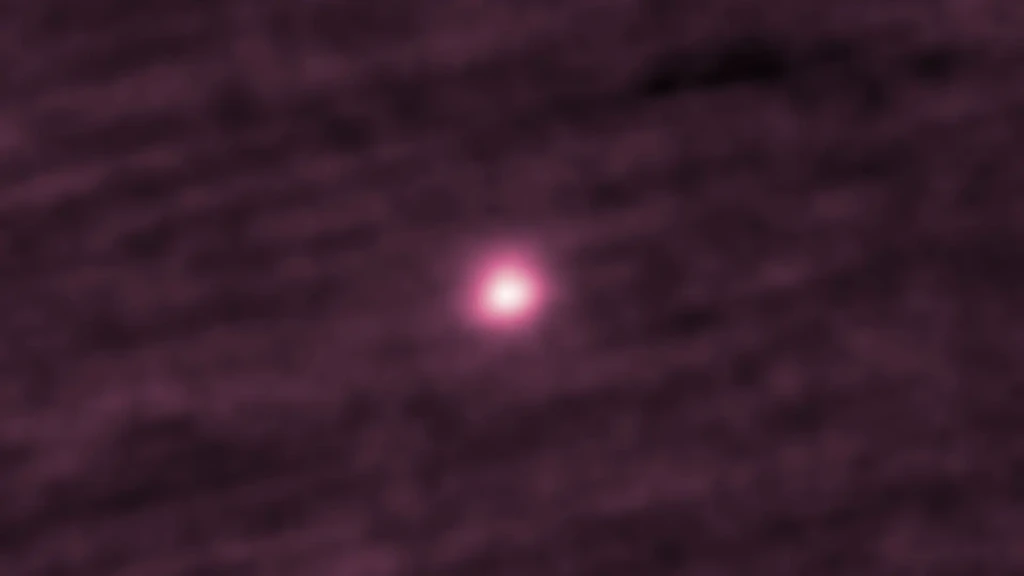
Apart from the NASA orbiter, the European Space Agency’s spacecraft ExoMars Trace Gas Orbiter and the Mars Express also took pictures of the comet from 30 million km away. Earlier this month, China also released visuals of 3I/ATLAS captured by the Tianwen-1 orbiter. Other space-based observatories to photograph the comet are the Hubble and James Webb Space Telescopes, TESS, SPHEREx, and the Parker Solar Probe among others.

Just hours ago, ISRO shared a photo of 3I/ATLAS that was taken using the Ahmedabad-based Physical Research Laboratory’s 1.2-meter telescope located in Mount Abu, Rajasthan. ISRO said in a statement that the apart from the imaging, the telescope was also used for spectroscopic measurements of the comet’s coma (cloud of dust and gas). The PRL image shows 3I/ATLAS without a traditional cometary tail and scientists reportedly noted that its activity (release of gases due to sublimation) is consistent with ‘typical comets’ of our solar system.
Astronomers hope to find out more about this interstellar visitor when it gets closest to Earth on December 19 at about 273 million km. This relatively shorter distance will make it easier for ground-based telescopes to photograph it since it will emerge from behind the Sun. Another space-based observation is planned using ESA’s Juice spacecraft soon. However, the data won’t be received until February 2026, says ESA.
ALSO READ: China’s Mars Orbiter Snapped Comet 3I/ATLAS. What Did It See?
ALSO READ: Comet 3I/ATLAS Is NOT Changing Colours, But Sudden Brightness Remains A Mystery