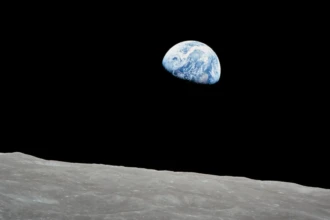
NASA’s Apollo 12 mission landed on the Moon today 56 years ago. It launched on November 14, 1969 with three astronauts Charles Conrad Jr. (Commander), Alan L. Bean (Lunar Module Pilot) and Richard F. Gordon Jr. (Command Module Pilot), ending ten days later on November 24.
Apollo 12 is remembered as ‘The Pinpoint Mission’ by NASA because it achieved a pinpoint landing in the Ocean of Storms region of the Moon, within walking distance of the Surveyor 3 spacecraft that landed there in April 1967. Apollo 12 was the successor of Apollo 11, the historic mission which landed Neil Armstrong on the Moon in July 1969.
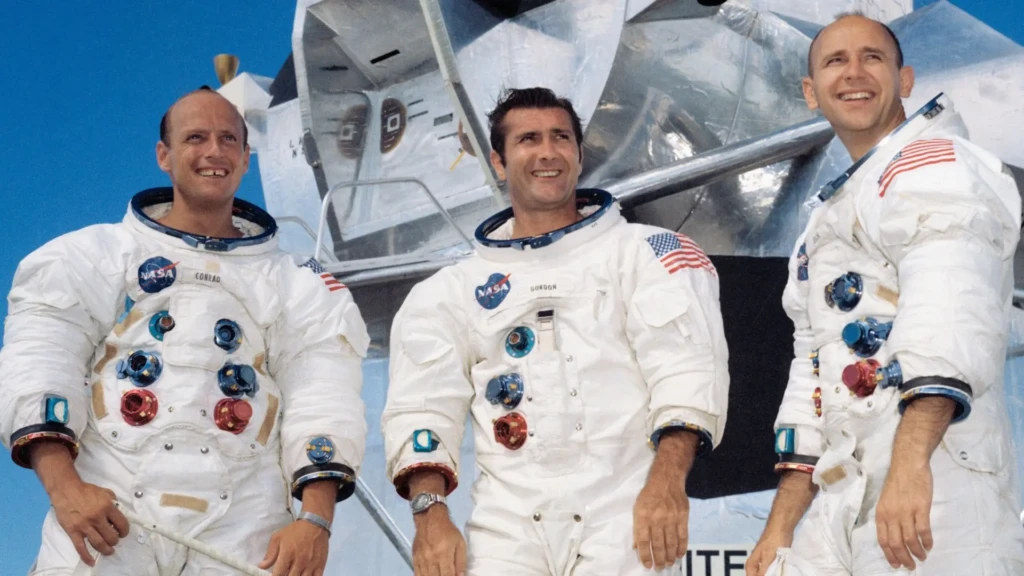
As we mark Apollo 12’s 56th anniversary, here are some of its highlights.
Apollo 12 highlights
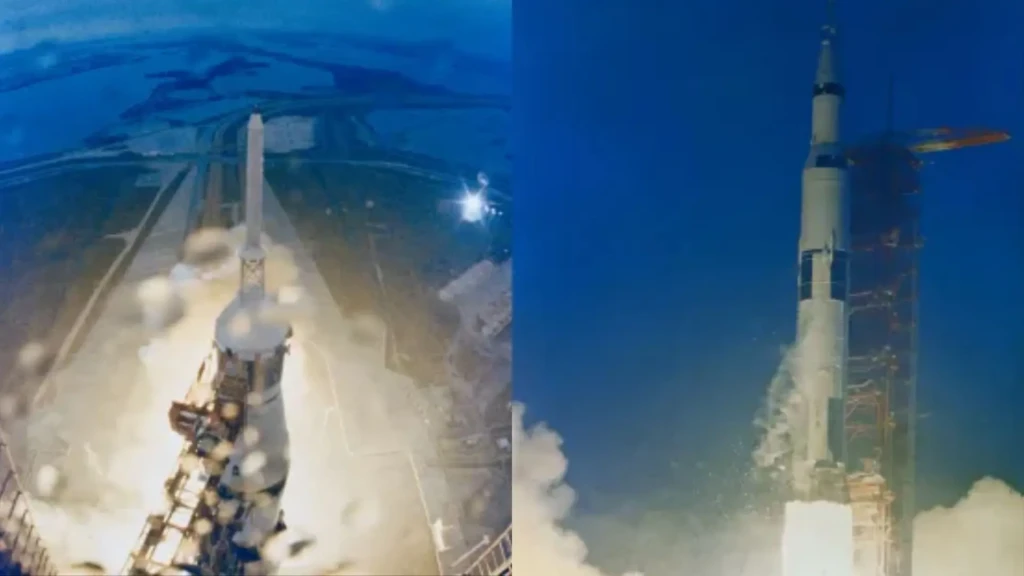
Apollo 12 had a rocky start as the Saturn V rocket, launching on its second mission, was struck by lightning seconds after liftoff from the Kennedy Space Center in Florida. This caused the mission controllers to lose the spacecraft’s telemetry at 36 seconds, and again at 52 seconds post liftoff.
Thanks to a young engineer named John Aaron’s quick thinking, who deduced that the spacecraft’s Signal Conditioning Equipment (SCE) must have malfunctioned, they quickly managed to bring the electronics back online.
Everything went smooth from this point on as there was no damage from the lightning strike. On the fourth day, the Command Module-Lunar Module combo entered the lunar orbit, and a few hours later, the Lunar Module with Conrad and Bean separated from the Command Module and descended to the lunar surface.
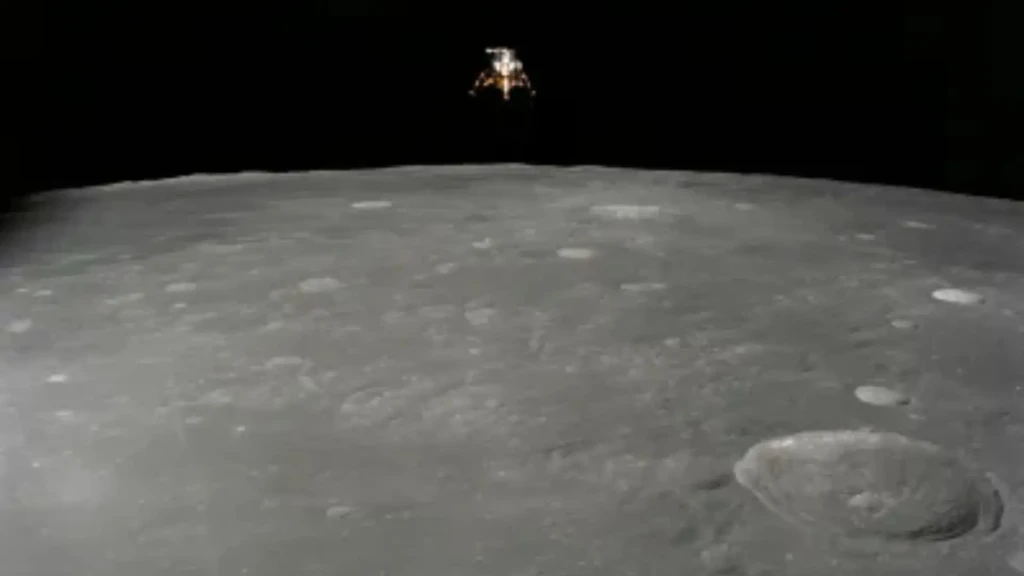
At 12:24 pm IST [1:54 am EST], NASA confirmed that the Lunar Module named ‘Intrepid’ has touched down on the Moon. Several hours later, the two astronauts donned their spacesuits and conducted the first extravehicular activity or moonwalk which lasted three hours and 56 minutes.
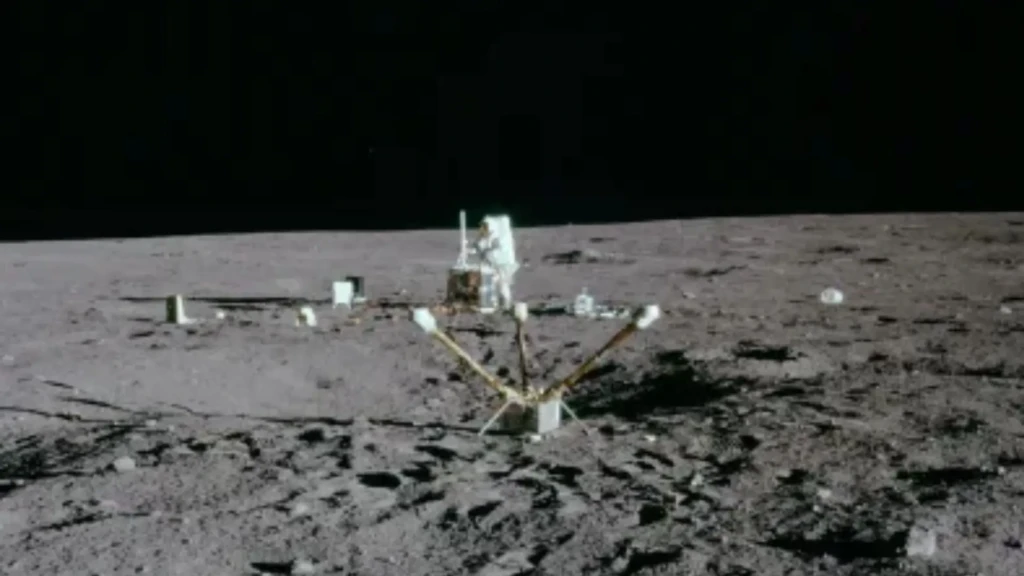
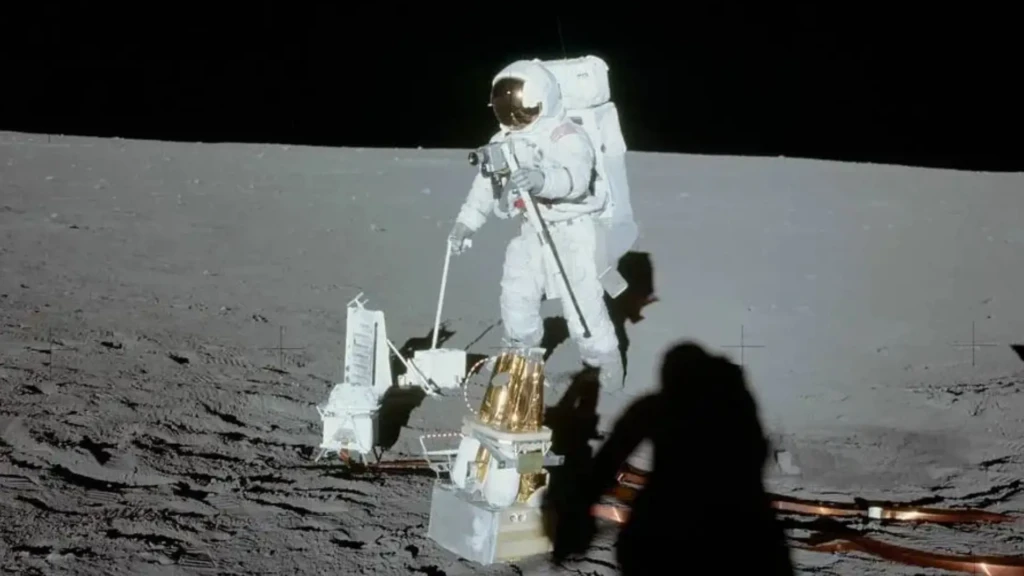
They completed tasks such as deploying the Apollo Lunar Surface Experiments Package (ALSEP) to gather seismic, scientific and engineering data, conducted soil sampling and photography and retrieved Surveyor 3 camera along with other parts. There was also a second moonwalk planned which lasted three hours and 49 minutes. Conrad and Bean spent a total of 31 hours and 31 minutes on the surface while Gordon remained in the Command Module named Yankee Clipper, orbiting the Moon while mapping the Moon and taking photographs.
As the Lunar Module’s ascent stage reunited with the Command Module, the three astronauts radioed the message of their journey back home to NASA. Three days later, Command Module splashed down in the Pacific Ocean, successfully concluding NASA’s second crewed lunar mission.
ALSO READ: NASA Marks 58th Anniversary Of Apollo 4 Which Debuted Saturn V Moon Rocket
ALSO READ: Artemis 2 Explained: NASA’s First Crewed Moon Mission Since 1972