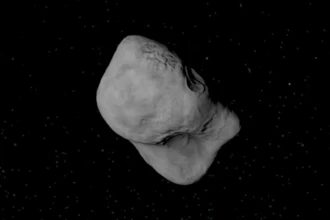
Harvard Physicist Avi Loeb has sparked curiosity about extraterrestrial life yet again by pointing out anomalies with 3I/ATLAS, the interstellar object popularly considered a comet. The possibility of finding life beyond Earth has been a subject of interest for decades, and claims like Loeb’s, even without concrete evidence, tend to grab attention. But even if 3I/ATLAS is in fact just a comet, the question remains – ‘where are the aliens?’
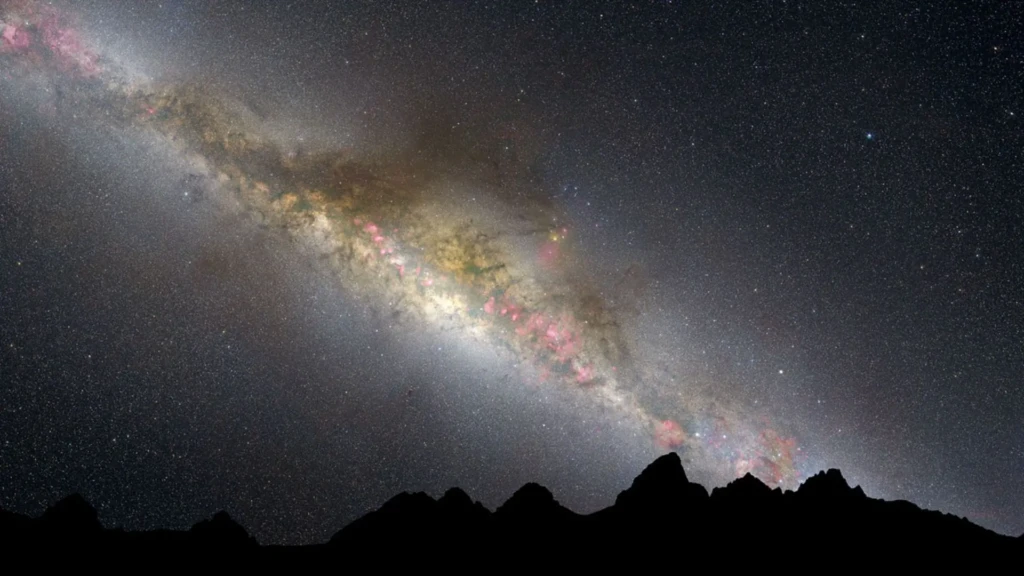
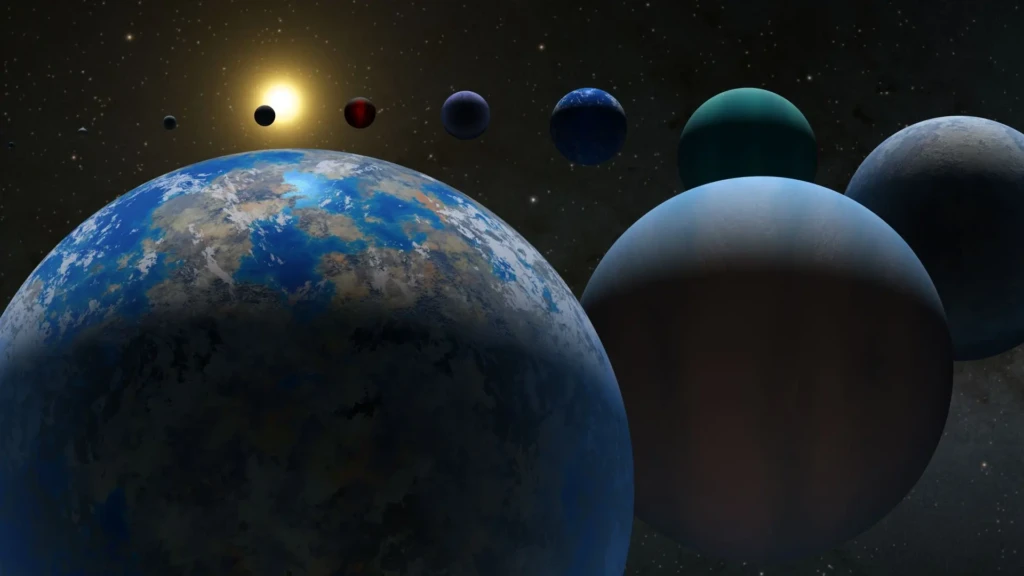
There are at least 100 billion planets in the Milky Way galaxy, per NASA, and thousands, if not millions of them may resemble Earth. If a planet is within its star’s habitable zone – the point where water can remain liquid – life may have emerged in a soup of chemicals there like it did here. If that’s the case, why don’t we see any signs of life or an advanced civilisation?
The Fermi Paradox
Named after Nobel Prize-winning American physicist Enrico Fermi, the Fermi Paradox describes the contradiction between a high probability of alien life and the lack of evidence for it.
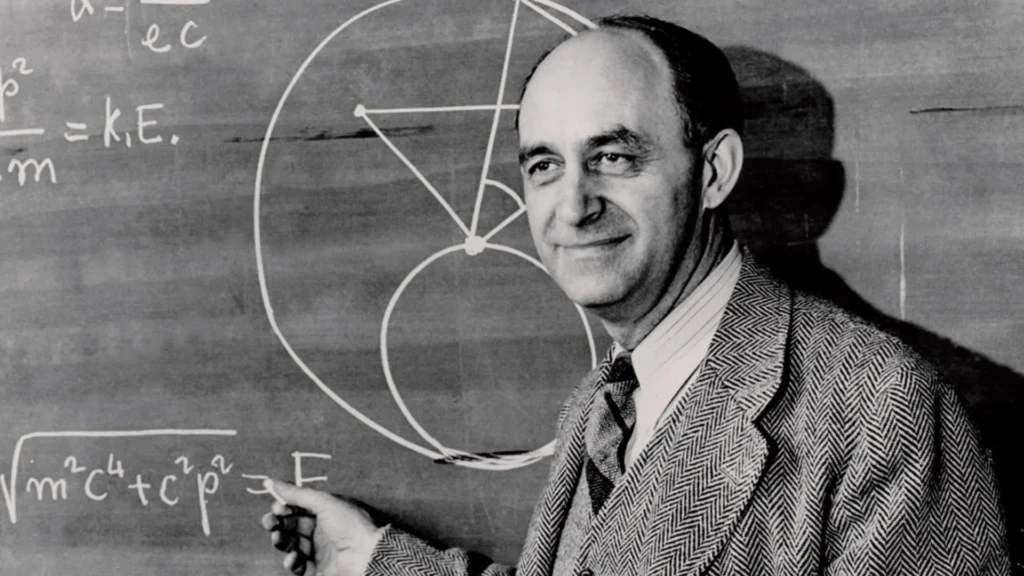
In 1950, Fermi posed a simple yet profound question – “where is everybody?” pondering over the absence of intelligent life in such a vast universe. Fermi argued that any sufficiently advanced alien civilisation, at least in theory, should be capable of spreading across the Milky Way over millions of years.
Why don’t we see aliens?
The Fermi Paradox breeds many explanations and each raise new questions. One of the explanations is that space travel must be overwhelmingly expensive, even for aliens. According to the SETI Institute, just a small rocket to Proxima Centauri – the closest star system to Earth at about 40 trillion km – will require about 150 billion billion joules of energy. More energy means more fuel and more capital; unless aliens, unbeknownst to us, have unconventional ways to power their spacecraft.
Another reason involves sociological or biological limitations, meaning successors of ‘pioneer’ generations might fail or be unwilling to continue the colonisation efforts.
Our solar neighbourhood being in an uninteresting galactic region could also be a reason why aliens are avoiding contact. Another idea is the ‘cosmic zoo’ hypothesis which posits that aliens may have found us but they remain hidden, and are observing Earth from a distance – much like we treat animals in a zoo.
ALSO READ: What Are Interstellar Comets And What Makes Them Special?
The Great Filter
Among many ideas the Fermi Paradox inspired is the Great Filter theory. Proposed by economist Robin Hanson, decades after Fermi’s question, this theory is considered a possible solution on why we don’t see extraterrestrial beings. Every civilisation is destined to face several filters before becoming advanced and spacefaring, the theory says, and there’s at least one filter that is impossible to overcome.
This means, we (humans) are either past that impossible filter or yet to face it. Life began on Earth more than 3 billion years ago and we’ve evolved enough to master radio astronomy and send probes outside our solar system. However, hurdles like a nuclear war, rogue artificial intelligence, and asteroid impacts could be the Great Filters ahead of us.
Similarly, it’s possible that life elsewhere – whether bacteria or intelligent species – are incapable of interstellar travel or that advanced civilisations may have failed to overcome their Great Filter.
ALSO READ: Artemis 2 Explained: NASA’s First Crewed Moon Mission Since 1972