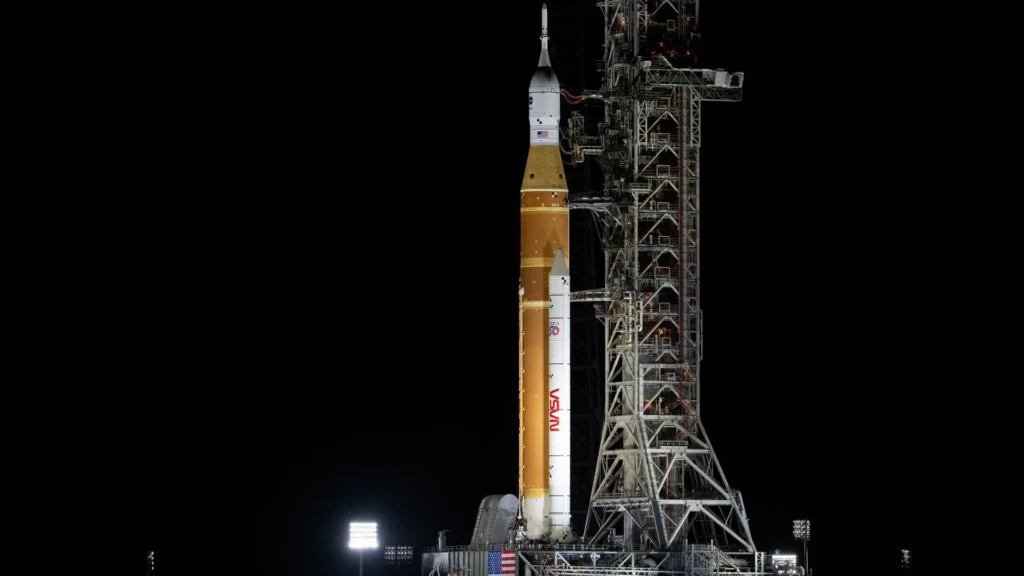
It has been over three years since NASA first encountered hydrogen leaks on the Space Launch System (SLS) rocket built to launch Artemis missions. Fast forward to 2026, the agency still finds it hard to tame this element, which makes for one of the most efficient rocket propellant.
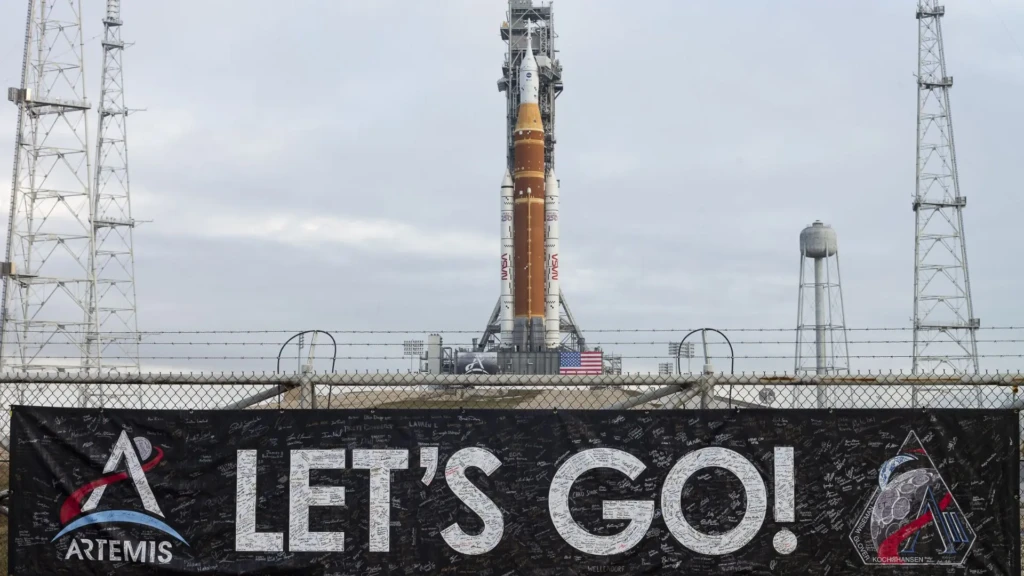
The latest leaks during a two-day-long ‘wet dress rehearsal’ at the Kennedy Space Center, Florida, starting February 1, has forced NASA to delay the launch of its crewed Artemis II Moon mission to the first week of March. NASA conducted the rehearsal, similar to Artemis I (Nov. 2022), to find and fix problems in the rocket and the Orion spacecraft before launching them.
NASA completed a wet dress rehearsal for the Artemis II mission in the early morning hours on Feb. 3. To allow teams to review data and conduct a second wet dress rehearsal, NASA will now target March as the the earliest possible launch opportunity for the Artemis II mission.… pic.twitter.com/jSnCUPLQb6
— NASA (@NASA) February 3, 2026
Mission teams fuelled the SLS with 7,50,000 gallons of propellant during an official countdown simulating launch day, and performed checkouts of Orion mounted atop the rocket. But like Artemis I, engineers encountered a familiar problem – leaks of cryogenic hydrogen (minus 423° F or minus 253° C), in an interface connecting the propellant supply line to the rocket’s core stage. This forced NASA to end the rehearsal few minutes sooner than planned during the terminal countdown, when the leak spiked despite hours of troubleshooting.
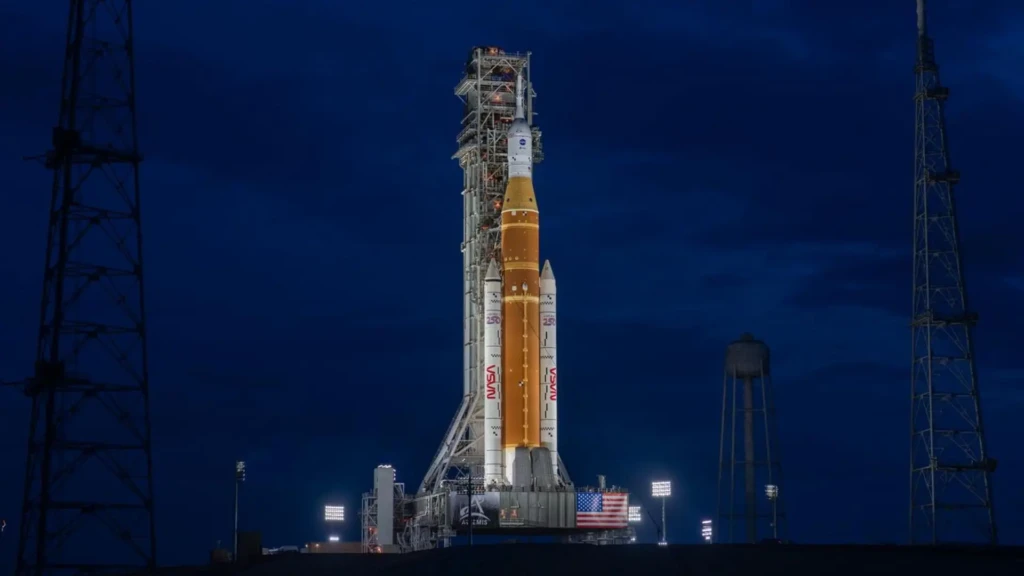
With a February 8 launch attempt now no longer possible, NASA is aiming for another window opening on March 6. Other possible dates are March 7,8,9 and 11.
Why does NASA face hydrogen leaks on SLS?
Hydrogen in liquid form is extremely tough to store as its atoms are the smallest and lightest, and they escape from even the smallest of openings. The extremely cold temperature also causes the shape and size of seals to change during fuelling.
During the rehearsal, the leakage in the interface exceeded permissible limits, prompting NASA to end it at 5 minutes and 15 seconds before the terminal countdown was supposed to end.
While officials were delighted to complete full tanking operations on the first attempt (unlike Artemis I), they were surprised to encounter this challenge yet again.
“As we began that pressurization, we did see that the leak within the cavity came up pretty quick,” Artemis Launch Director Charlie Blackwell-Thompson said at a press conference on Wednesday. While she added that the leak won’t require rolling back the rocket to the Vehicle Assembly Building (VAB) and the issues can be resolved at the launch pad, John Honeycutt, the chair of NASA’s Artemis Mission Management team, said the turn of events “caught us off guard.”
NASA doesn’t have a definite cause for the recurring leaks, but Associate Administrator Amit Kshatriya shared that they could’ve resulted from vibrations incurred during the rocket’s rollout to the pad on January 17. Apart from the leaks, engineers also encountered a problem with the Orion spacecraft’s crew module hatch pressurization and several dropouts of audio communication channels.
The Artemis vision began with President Trump, but the SLS architecture and its components long predate his administration, with much of the heritage clearly traced back to the Shuttle era. As I stated during my hearings, and will say again, this is the fastest path to return… https://t.co/bu0SvThwS9
— NASA Administrator Jared Isaacman (@NASAAdmin) February 3, 2026
NASA administrator Jared Isaacman reacted to a report of the recurring hydrogen leaks saying SLS will pave the “fastest path” to return to the Moon but it’s not the “most economic path.”
“The flight rate is the lowest of any NASA-designed vehicle, and that should be a topic of discussion. It is why we undertake wet dress rehearsals, Pre-FRR [flight readiness review], and FRR, and why we will not press to launch until we are absolutely ready,” he posted on X.
ALSO READ: NASA Delays Artemis II Moon Mission Launch To March – Here’s Why
ALSO READ: NASA’s Artemis II To Carry Relic Of Humanity’s First Flight And More To The Moon