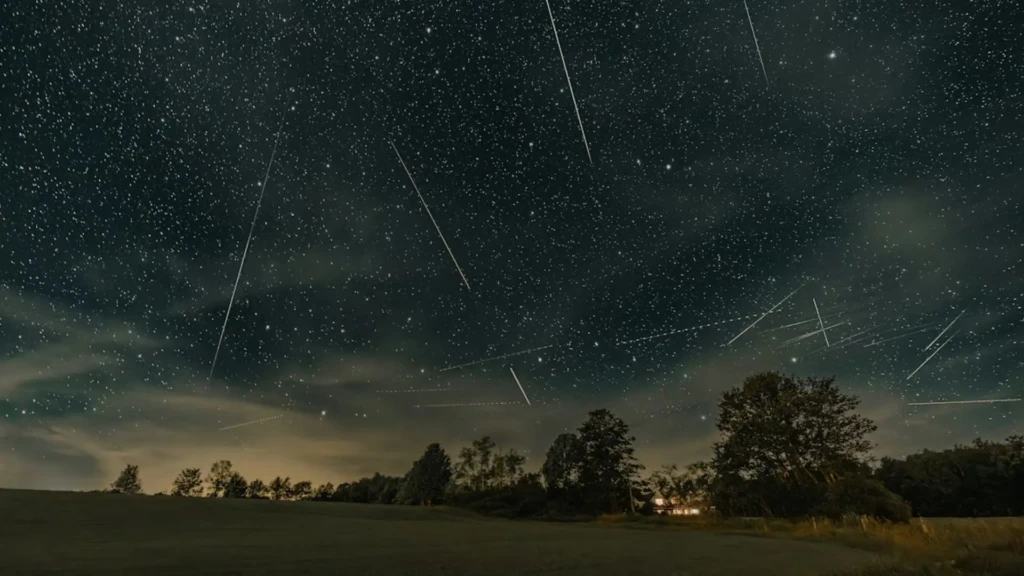
The Geminid meteor shower is here and it’s peaking this weekend. This annual cosmic firework that started on December 4 will stay active until December 20, and will hit its peak overnight on December 13-14. Since it’s the strongest of all meteor showers this year, skygazers can expect to see up to 120 meteors every hour under perfect conditions.
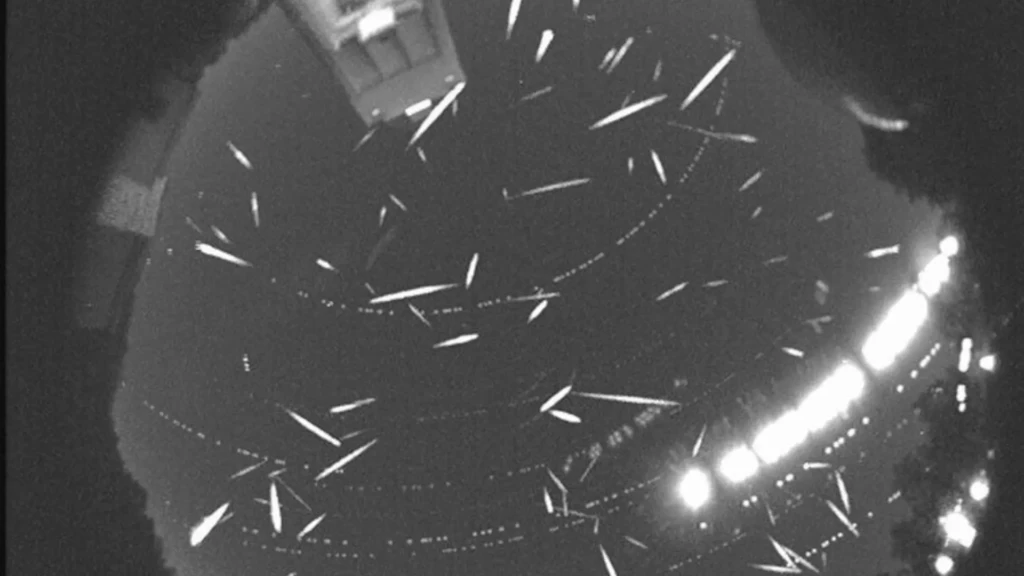
The Geminids mark the last major meteor shower of a year, which brings nine other such events. The other meteor showers include Quadrantids (January), Lyrids (April), Eta Aquariids (May), Perseids (August), Draconids (October), Orionids (October), Taurids (November) and Leonids (November). There’s also the Ursids meteor shower later this month, but it’s not as prominent.
Why do we see meteor showers?
Meteor showers occur when Earth passes through a debris trail of a comet as it orbits the Sun. The debris results from the Sun heating up the comet, causing it to release chunks of dust and rocky material. When Earth passes through this debris trail while orbiting the Sun, these chunks collide with our planet’s atmosphere and disintegrate, and we see bright streaks of light in the night sky.
The Geminid meteor shower
According to NASA, the Geminids first began appearing in the mid-1800s and they originate from an object designated 3200 Phaethon. While it is considered an asteroid, scientists believe it could be a “dead comet” or a “rock comet.”
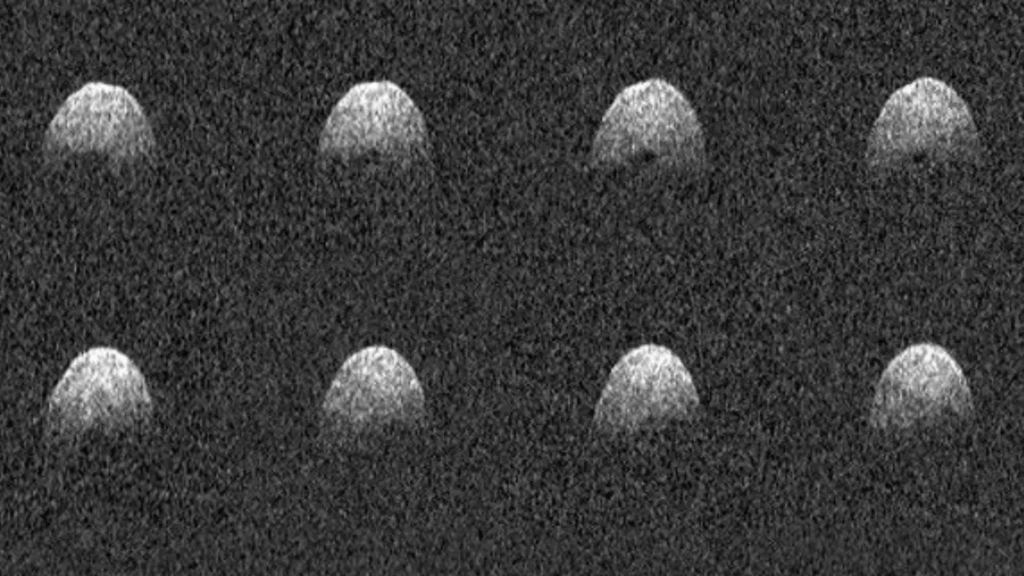
Measuring 5.1 km across, asteroid 3200 Phaethon was discovered on October 11, 1983. This object has a comet-like highly elliptical orbit around the Sun and takes just 1.4 years to complete one revolution. Astronomers have noted that it does not develop a cometary tail when passing close to the Sun and the bits and pieces breaking off this object is denser than cometary dust.
Where to spot the Geminid meteors
The Geminid meteors will appear to emerge from the constellation Gemini – which inspired its name. NASA, however, advises not to look only at the Gemini constellation because the meteors will be visible throughout the night sky.
The best time for viewing the cosmic event in India is from around midnight on December 13 through to dawn on December 14, when the Gemini constellation will be at its highest point in the eastern sky. Light interference should be minimal from the Moon which will be in its waning crescent phase.
Be sure to spend at least a good 20-30 minutes in the dark to allow your eyes to adjust and find a spot away from light pollution that may drown out the glowing meteor streaks. Avoid phone screens or bright lights to make your eyes sensitive enough for even the faint meteors.
ALSO READ: Meteor Explodes In The Sky Over Portugal, ESA Releases Fiery Video
ALSO READ: As Taurid Meteor Shower Peaks, Moon Is Bearing The Brunt Of It