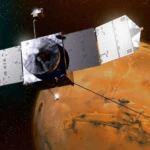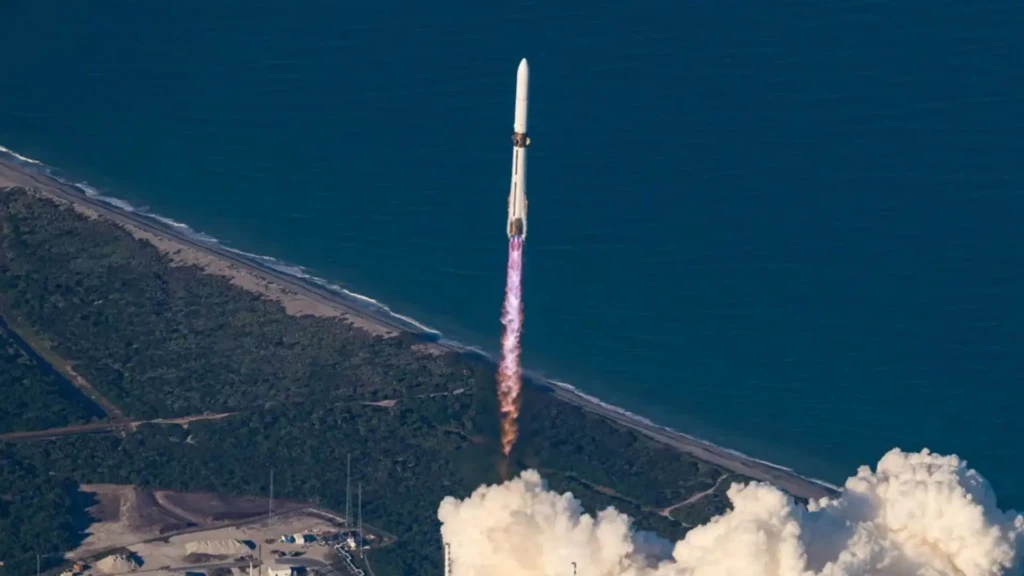
Blue Origin will soon reuse the New Glenn booster flown last year. The rocket’s third mission is targeted for launch no earlier than late February from Cape Canaveral, Florida, with AST SpaceMobile’s Block 2 BlueBird 7 satellite. This mission will bring into use the ‘Never Tell Me The Odds’ booster which launched NASA’s ESCAPADE Mars mission on November 14.
New Glenn’s third mission, NG-3, will send @AST_SpaceMobile’s next generation Block 2 BlueBird satellites to low Earth orbit, NET late February. Learn more: https://t.co/8TCrGV8GoZ pic.twitter.com/ViHTTcpnln
— Blue Origin (@blueorigin) January 22, 2026
“AST SpaceMobile selected Blue Origin’s New Glenn launch vehicle in November 2024 as part of its launch campaign for its cellular broadband network,” Blue Origin said in a statement. “The Bluebird satellite network will support commercial and government telecommunications applications, enabling users to remain connected as their devices transition between terrestrial cellular networks and space-based coverage, delivering broadband connectivity anytime, anywhere.”
New Glenn aced the booster landing on its second attempt. The 188-feet-tall booster landed on a 380-feet-long autonomous droneship named ‘Jacklyn’ stationed in the Atlantic Ocean, solidifying the rocket as a partially reusable vehicle. Blue Origin had attempted the landing on New Glenn’s debut mission in January 2025 but couldn’t succeed.
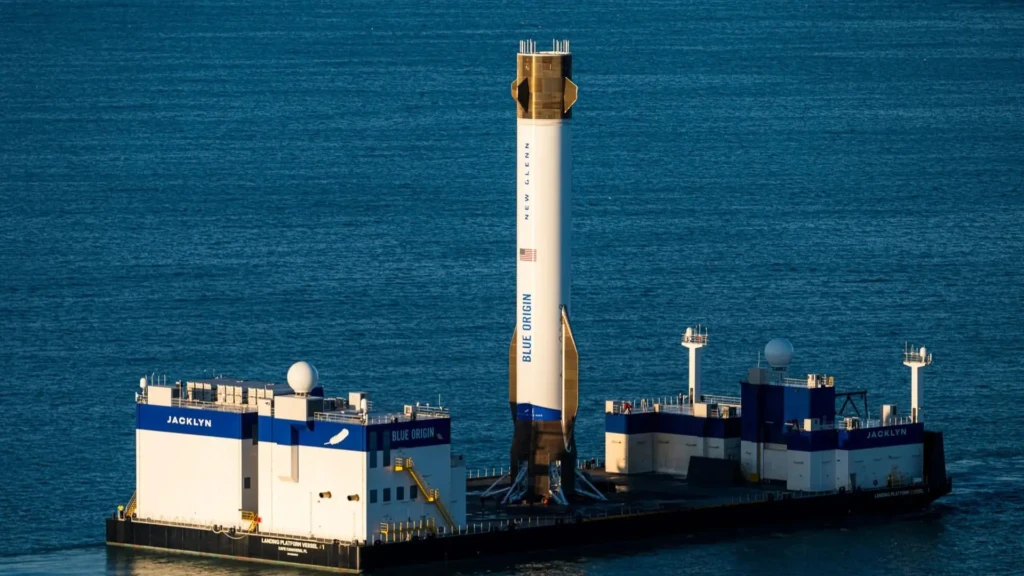
‘Never Tell Me The Odds’ is now undergoing refurbishment for its next flight that will test its reusability.
As for AST SpaceMobile, it is diversifying its launch provider options for its internet-satellite network. In December 2025, the company sent the BlueBird 6 satellite to low-Earth orbit on ISRO’s LVM3 rocket – making it the heaviest payload (6,100 kg) ever launched from Indian soil.

Similar to BlueBird 6, BlueBird 7 is part of AST’s second-generation satellite fleet. It also has a communications array spanning nearly 2,400 square feet making its 3.5 times larger than BlueBirds 1 to 5. These satellites, designed to provide direct internet to ordinary smartphones, can enable peak data rates of up to 120 Mbps.
“This launch advances our mission to bring space-based cellular broadband connectivity to everyday smartphones as we progress towards launching commercial services in 2026,” stated Scott Wisniewski, President of AST SpaceMobile. “BlueBird 7 moves us closer to delivering a new layer of cellular broadband connectivity for consumers, enterprises, and government customers worldwide.”
The company has planned a multi-launch campaign to launch 45-60 satellites by the end of 2026, with an average of one orbital mission every one to two months.
Apart from Blue Origin and ISRO, AST SpaceMobile will also avail launch services from SpaceX in the future.
ALSO READ: How Does Blue Origin’s Monstrous New Glenn Rocket Compare To Starship?
ALSO READ: Blue Origin’s New Glenn Booster Reaches Port Canaveral After ESCAPADE Launch