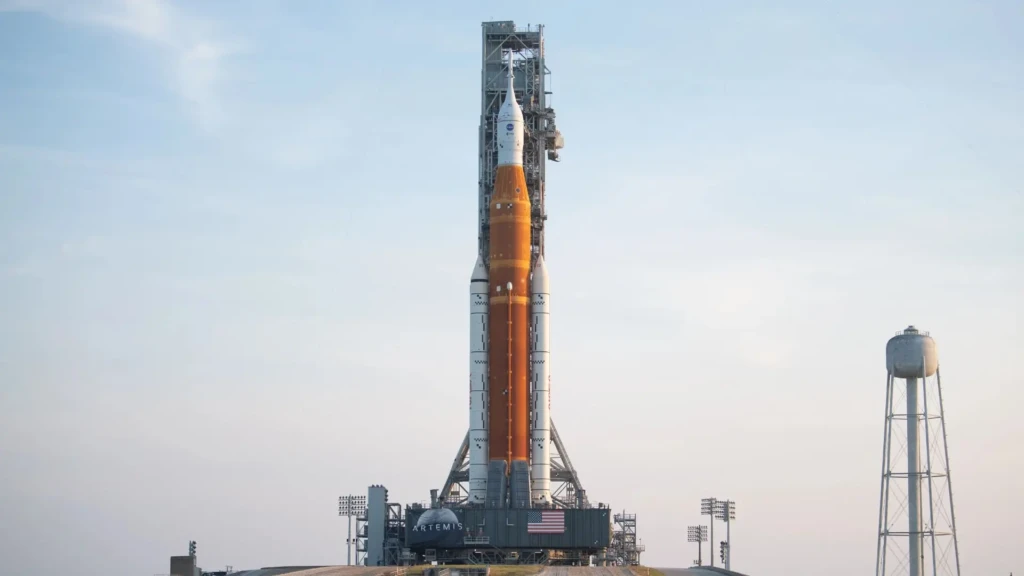
The Space Launch System (SLS) rocket will liftoff for the second time next year when it launches NASA‘s crewed Artemis II Moon mission. Standing 322-feet-tall, the SLS debuted on November 16, 2022 as the world’s most powerful rocket in existence at the time. With Artemis II inching closer (February 2026), NASA is carrying out key testing of the rocket components before it flies again – this time carrying four astronauts.
What makes NASA’s SLS rocket special?
The SLS rocket is the only launch vehicle NASA builds and operates. Since 2011, when the Space Shuttle program ended, the agency has relied on private companies like SpaceX and Blue Origin for crew and cargo missions. Prior to the Shuttle’s end, NASA was directed to build a rocket like the SLS under the NASA Authorisation Act signed in 2010.
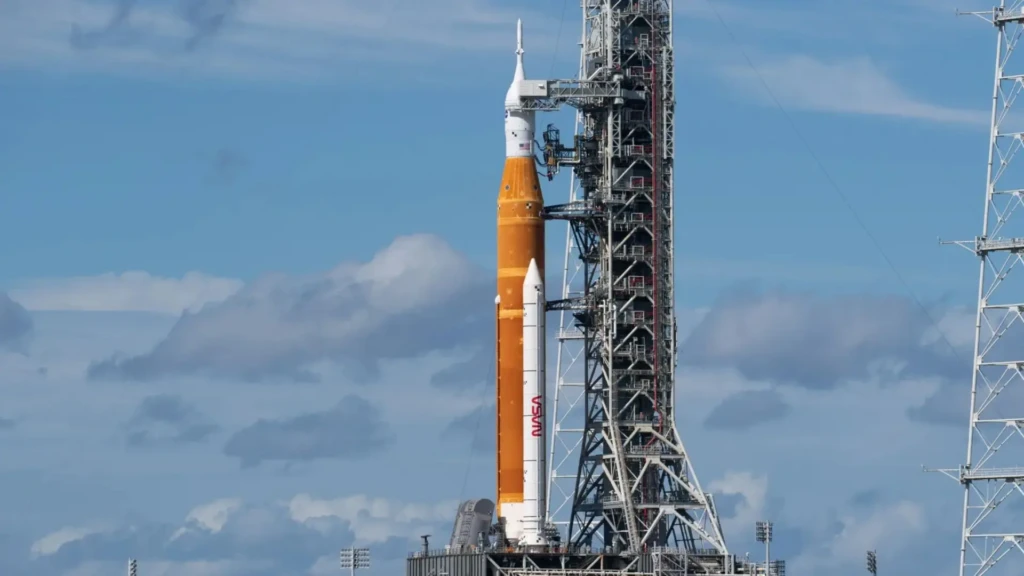
SLS was reportedly supposed to debut in 2016. However, it ran into a slew of technical and bureaucratic problems which delayed its first flight by six years. The dream finally came true when it kickstarted NASA’s Artemis Program – meant to establish permanent human presence on the Moon – with the launch of Artemis I.
When it first flew, SLS was the most powerful rocket in the world, but this title was soon snatched away by SpaceX’s Starship rocket which completed its first integrated test flight in April 2023. Although, Starship is still in testing phase and doesn’t have operational status like SLS.
“Seeds represent the most optimistic of our future.” 🌳
Just over a year ago, we planted a new Moon Tree at NASA Goddard. This tree grew from a seed that flew around the Moon aboard @NASAArtemis I, connecting us here on the ground with exploration of the space beyond Earth. pic.twitter.com/L1IuX5Pxmc
— NASA Goddard (@NASAGoddard) November 21, 2025
Meet the second most powerful rocket
The SLS has two boosters on the side that burn solid fuel, generating a maximum thrust of 3.6 million pounds during liftoff. The core stage, which ignites next, is equipped with four RS-25 engines that use a liquid oxygen-liquid hydrogen (cryogenic fuel) combination to generate 5,12,300 lbs of max thrust. Then there’s the upper stage which also uses cryogenic fuel and it ignites after separating from the core stage in space. This stage has a max thrust of 24,750 lbs.

According to NASA, the combined thrust capacity enables the rocket to launch 95 tonnes (209,439 lbs) to low-Earth orbit and 27 tonnes (59,525 lbs) to trans-lunar injection orbit toward the Moon.
SLS comes in six different variants and NASA used Block 1 for Artemis I. A couple of variants go as high as 366 feet, with even greater payload capacity. The rocket’s only and biggest drawback is its non-reusability. Both the boosters and the core stage fell back into the ocean after launching from Florida in 2022, and so will the next rockets. The upper stage keeps orbiting Earth after deploying the payload.
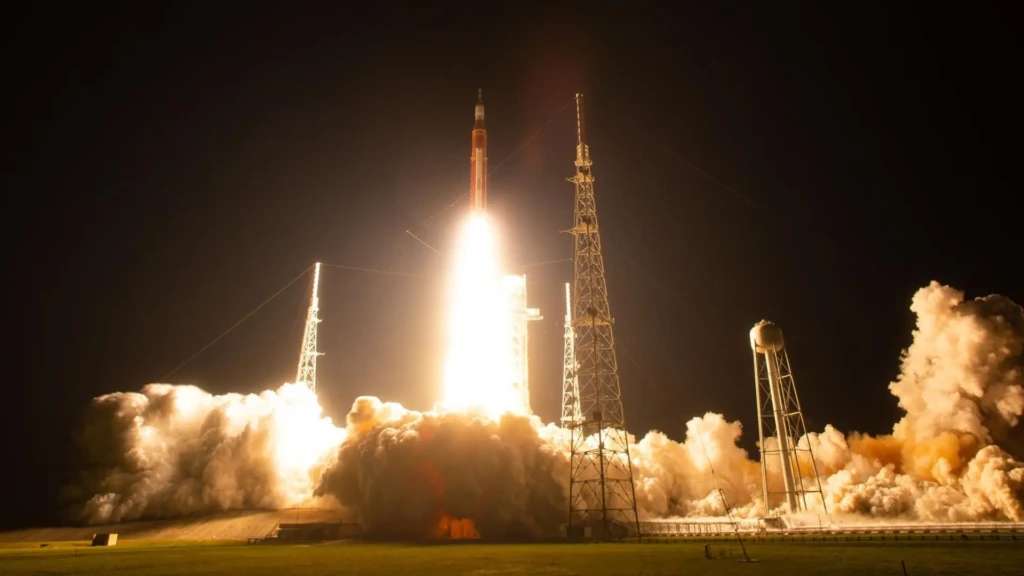
Its non-reusability is one of the primary reasons why many experts, including newly appointed NASA administrator Jared Isaacman, are against the agency building rockets. They argue that NASA is spending billions of dollars into something that private companies offer for significantly lower costs.
However, it seems SLS is here to stay as NASA has the Congress’ nod and $4 billion funding approval to use the rocket until Artemis V.
What’s the rocket’s status now?
The SLS rocket is currently at the Kennedy Space Centre’s Vehicle Assembly Building, fully integrated with the Orion spacecraft.
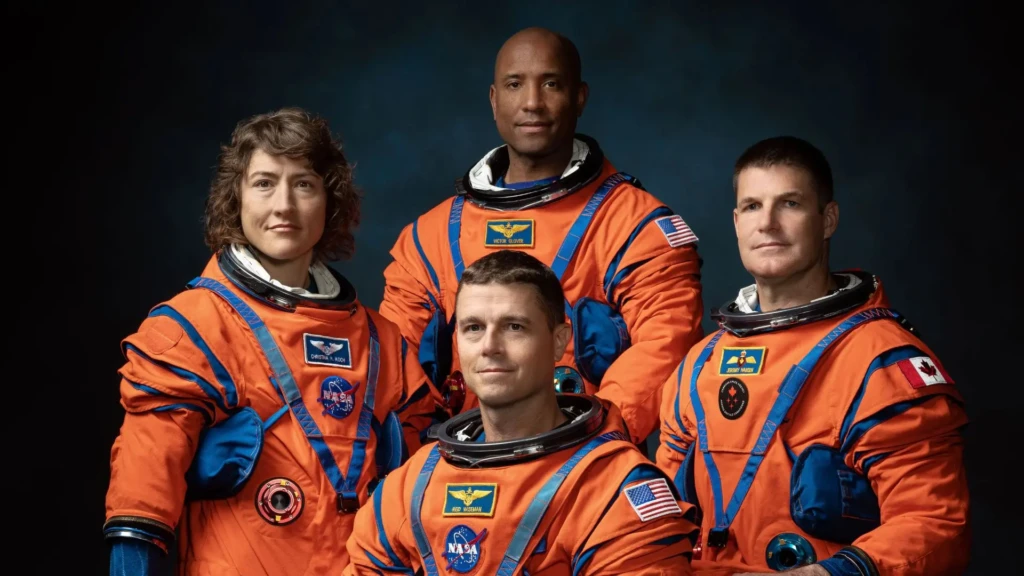
Orion will house four Artemis II astronauts who will return after orbiting the Moon in 10 days. On December 23, the crew completed a countdown demonstration test ahead of the launch. In a few weeks, NASA will roll out the rocket to the launch pad where it will undergo crucial pre-flight checks.
If all goes well, Artemis II could launch as soon as February 2026.
ALSO READ: Artemis 2: Unraveling NASA Orion Capsule – Humanity’s Ride To The Moon
ALSO READ: Artemis 2 Explained: NASA’s First Crewed Moon Mission Since 1972