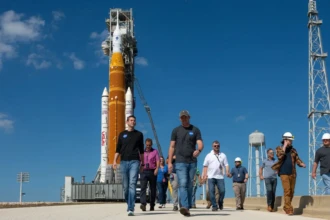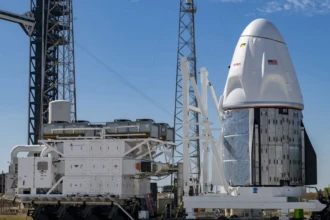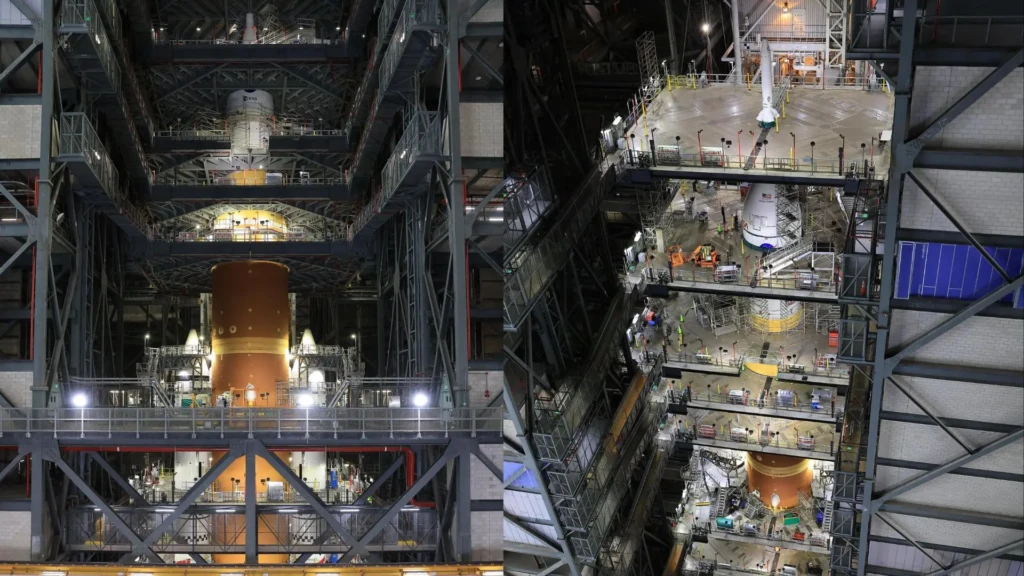
NASA is progressing strongly toward the launch of its next Moon mission Artemis 2 with four astronauts. Last week, the Orion spacecraft that will carry the crew to the Moon was integrated with the Space Launch System (SLS) rocket at Kennedy Space Center (KSC) in Florida, marking the completion of 7th out of 10 objectives.
The mission teams, NASA says, have completed testing critical communications systems between Orion and the rocket and confirmed the interfaces function properly between the SLS, Orion, and the ground systems, including end-to-end testing with the Near Space Network and Deep Space Network for communications and navigation.
Artemis II is stacked, communication systems have been tested, and now we are gearing up for a launch day dress rehearsal.
Learn more about our next steps as we prepare to launch and fly our first crewed mission under the Artemis campaign >> https://t.co/IsqU3fRi5Y pic.twitter.com/jyF576uG66
— NASA Artemis (@NASAArtemis) November 20, 2025
Artemis 2 will be the second mission under NASA’s Artemis Program that aims to build sustainable human presence on the lunar surface. The mission will take off no later than April 2026, and it is currently targeted for a February launch at the earliest.
What’s next for Artemis 2?
In the coming weeks, NASA will conduct a launch countdown demonstration test with Artemis 2 astronauts.
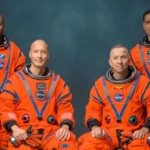
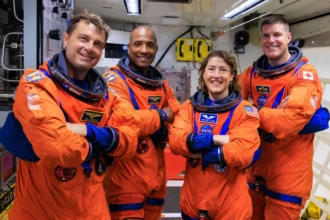
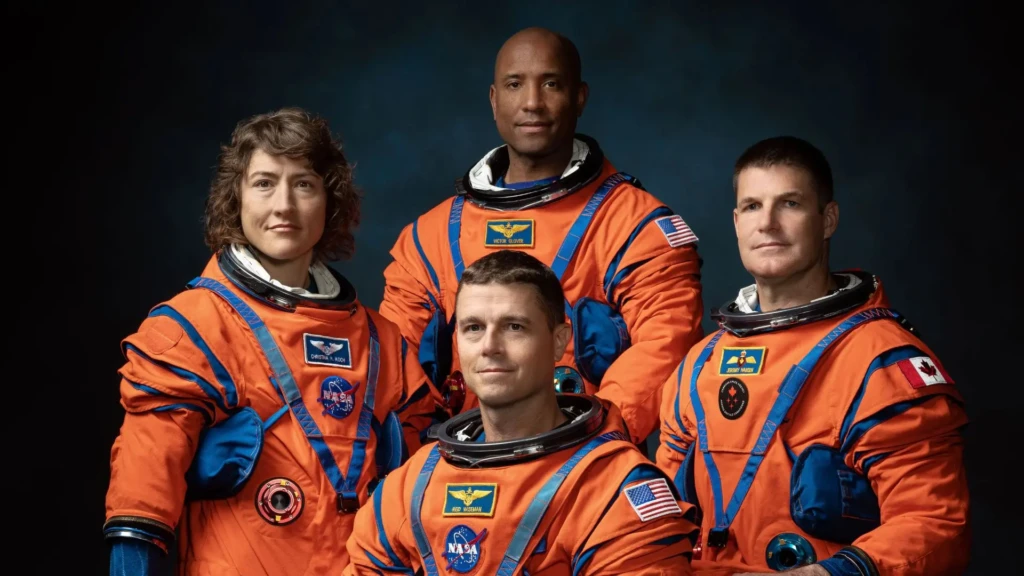
Reid Wiseman (mission commander), Victor Glover (mission pilot), Christina Koch (mission specialist) and Jeremy Hansen (mission specialist) will experience a simulation of the final moments of the countdown while they are inside the Orion spacecraft. This exercise will take place in the KSC’s Vehicle Assembly Building prior to the rocket’s roll out.
In the second leg of the exercise, NASA will roll out the rocket to launch pad where astronauts will prepare for an emergency and abort situation during a wet dress rehearsal. “The Artemis II crew and ground personnel responsible for launching and flying the mission are preparing to conduct additional integrated simulations across teams and facilities to prepare for any scenario that could arise as the crew of four launches from Florida and flies their approximately 10-day mission,” NASA said in a statement.
Wiseman and team will spend the next few weeks reviewing procedures for all phases of flight and familiarising themselves with every element of the Orion spacecraft.
ALSO READ: Artemis 2 Explained: NASA’s First Crewed Moon Mission Since 1972
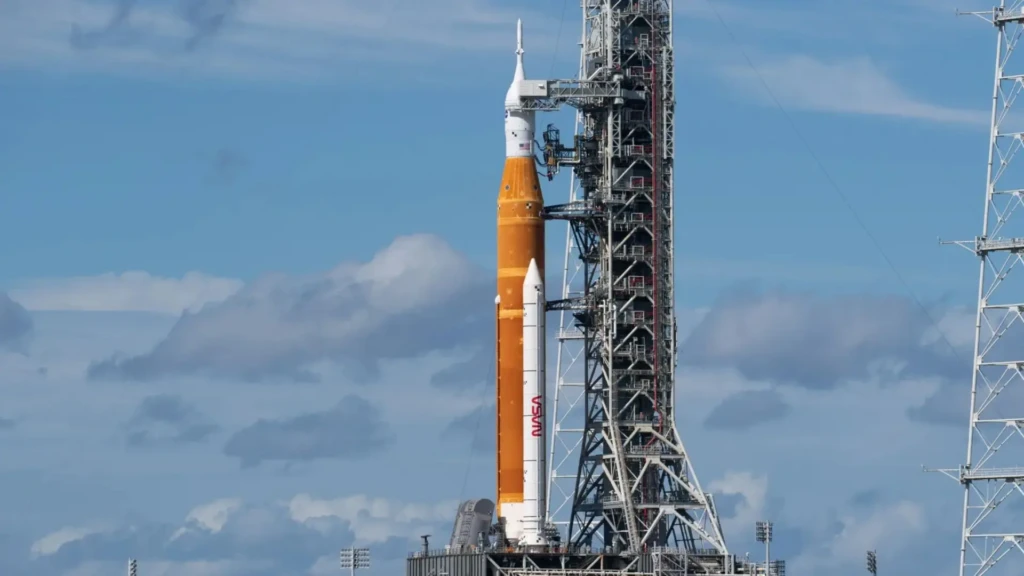
With the integration of Orion and SLS, NASA completed seven of its ten objectives before launch. The prior achievements including verifying functional interface between the SLS rocket stages and ground systems, testing the rocket’s core stage and upper stage, and confirming full functionality of Orion and ground systems interface among others.
Standing 322 feet tall, the SLS rocket proved its performance readiness during Artemis 1 mission which launched on November 16, 2022. NASA used the SLS Block 1 for Artemis 1 which can generate 8.8 million lbs of maximum thrust, 15% more than the Saturn V rocket which launched the Apollo missions.
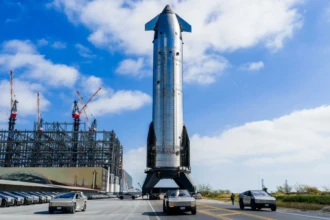
This makes SLS the second most powerful rocket in existence after SpaceX’s Starship whose first stage booster generates 16.7 million lbs of peak thrust. Following SLS is SpaceX’s Falcon Heavy with 5.1 million lbs of maximum thrust capacity.
ALSO READ: Artemis 3 Delayed To 2028? Report Says SpaceX’s Starship May Hurt NASA Again