We might be less than two months away from another Starship test flight. SpaceX CEO Elon Musk shared last week that the mega-rocket could lift off as soon as mid-March – debuting the launch vehicle’s bigger and more powerful Version 3.
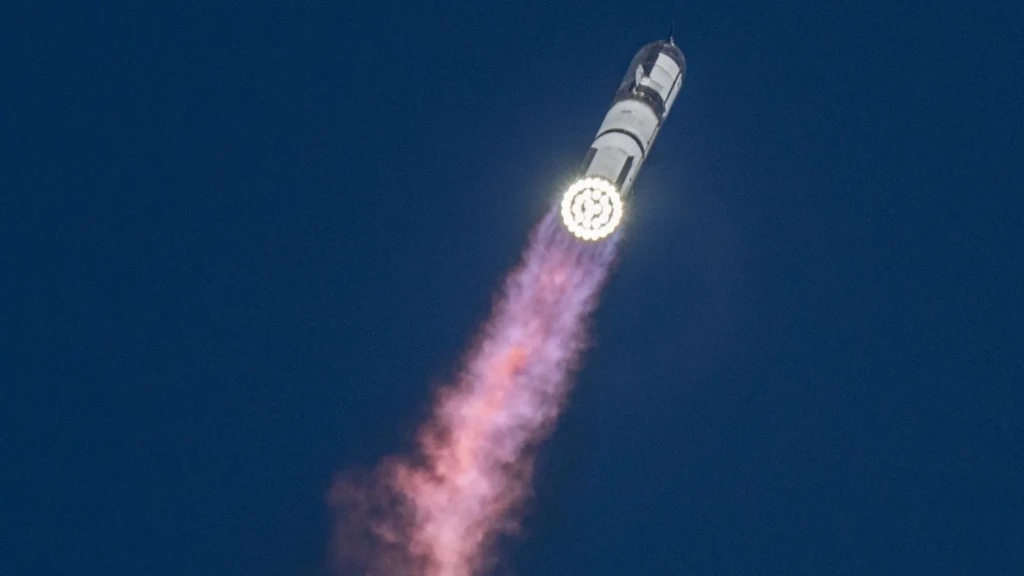
Sharing a picture of Starship’s stage separation on January 26, Musk wrote on X – “Starship launch in 6 weeks.”
Starship launch in 6 weeks pic.twitter.com/3HFf4H5cc4
— Elon Musk (@elonmusk) January 26, 2026
The next launch will mark Starship‘s 12th integrated test flight and SpaceX will look to carry the momentum of a flawless mission it gained on Flight 11. Flight 11 was the fifth and the only successful Starship mission of 2025 as it achieved all the objectives from start to finish; the other four missions were partly successful as the first stage was lost in space.
SpaceX prepares Starship Version 3 for debut
With Flight 11 in October 2025, SpaceX retired the Version 2 of Starship which measured around 403 feet tall. Starship is a two-stage rocket with a Super Heavy Booster measuring 232 feet tall and the upper stage Ship measuring 171 feet tall. This follows a pattern of SpaceX replacing past iterations of the rocket for newer ones (like it did with Version 1 after flight 6) with enhanced payload capacity and refined technology.
Liftoff of Starship! pic.twitter.com/sbfmGAEPa6
— SpaceX (@SpaceX) October 13, 2025
Besides being roughly five feet taller than V2, Starship’s newest iteration will sport Raptor 3 engines which was introduced in 2024. Starship’s booster is equipped with 33 Raptor engines while the upper stage has six. Each Raptor 3 engine can generate 280 metric tons of thrust at sea level, as compared to Raptor 2’s 230 metric tons and Raptor 1’s 185 metric tons.
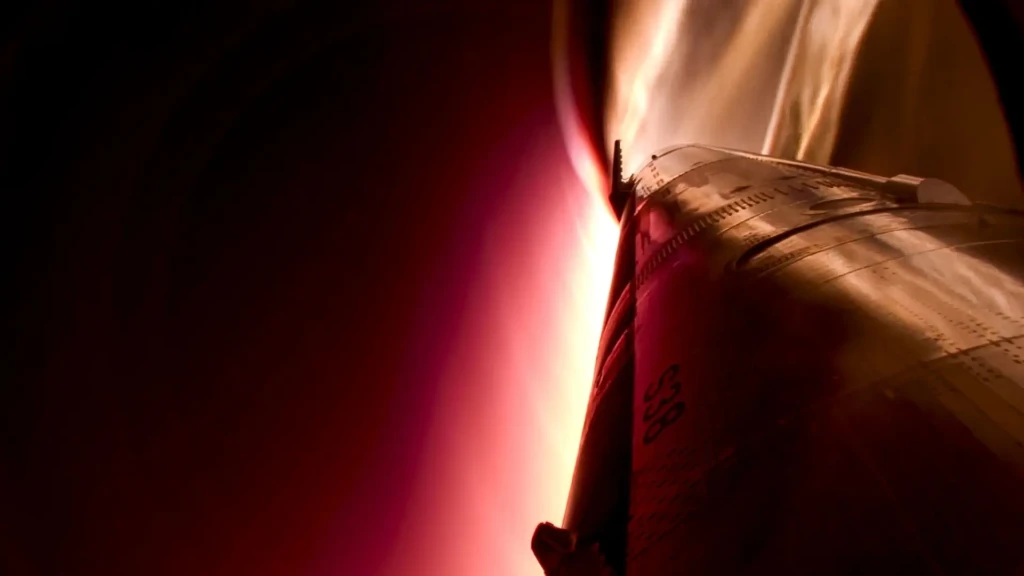
According to SpaceX, Raptor 3 is designed for “rapid reuse, eliminating the need for engine heatshields while continuing to increase performance and manufacturability.”
Interestingly, Starship V3 will be the one flying on SpaceX’s first Mars mission which Musk plans to launch by 2027. It will carry Tesla’s Optimus robots along with experiments from Italy to pave the way for eventual human exploration.
But before Mars, SpaceX needs to achieve in-orbit refuelling of Starship by mating two rockets in space. Mastering this technology is crucial to support NASA’s Artemis program which relies on Starship for crew and cargo transportation to and from the Moon’s surface. NASA has invested nearly $4 billion in SpaceX for Starship flights but delays in the rocket’s progress has pushed Artemis III, the Moon landing mission, to at least 2028.
ALSO READ: Artemis 3 Delayed To 2028? Report Says SpaceX’s Starship May Hurt NASA Again
ALSO READ: SpaceX Wins Approval To Build Starship Launch Pad At Florida’s Cape Canaveral