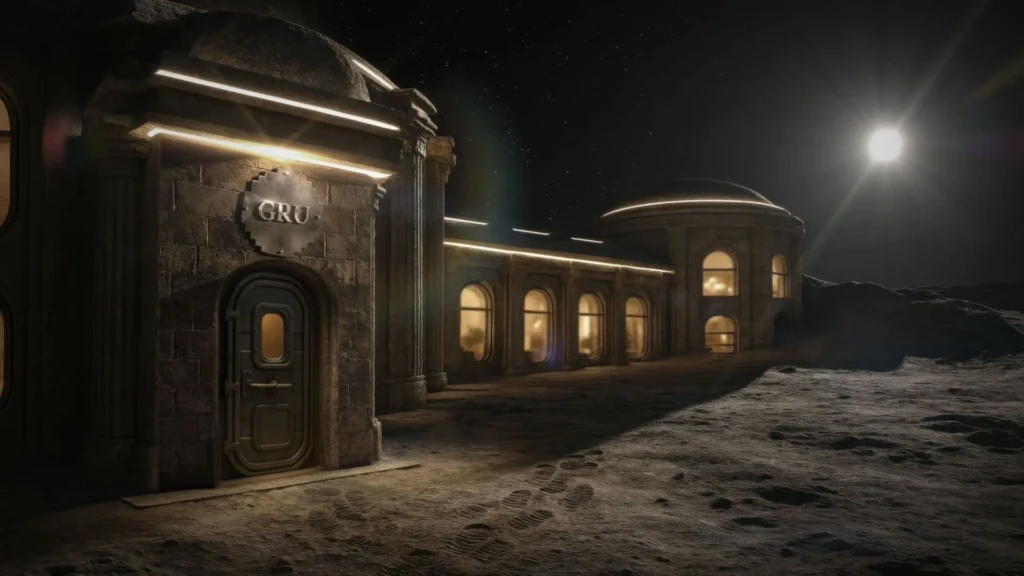
A San Francisco-based startup is planning to pioneer the hospitality sector on the Moon. Founded by 21-year-old University of California, Berkeley graduate Skyler Chan, the Galactic Resource Utilization Space or GRU Space wants to build the first hotel on the lunar surface and it’s accepting deposits for reservations. The cost reportedly ranges between $2,50,000 and $1 million (Rs 2.26 Cr – Rs 9.06 Cr) and the first hotel will be ready by 2032.
In a white paper, GRU Space stated that its objective is to capitalise on the growing space tourism in order to support NASA’s plan to colonise the Moon.
🌕 @gru_space is building durable space habitats so humans can one day live on the Moon and Mars.
Its first missions will mine lunar regolith to construct a long-term pressurized habitat on the Moon for commercial space tourism — a hotel on the Moon.
Congrats on the launch… pic.twitter.com/2FXAueezlO
— Y Combinator (@ycombinator) January 12, 2026
“Our thesis is simple: space tourism will be the fastest economic wedge to spin up the lunar economy. By building the first hotel on the Moon, we introduce immediate, tangible value for customers on Earth, while proving the same core capabilities required for permanent surface infrastructure,” GRU Space said, underscoring its ultimate goal of building first cities on Mars.
ALSO READ: NASA Has 11 Reasons To Send Astronauts To Mars – Including Finding Life, Says Report
GRU Space’s Moon hotel launch plan
GRU Space will launch a series of lunar missions starting 2029. Mission 1 involves a cubesat-sized payload weighing 10 kg that will be transported on a Moon lander funded by NASA‘s Commercial Lunar Payloads Services (CLPS) initiative.
One module of this payload will use compressed gas to inflate itself into a small-scale version of the v1 hotel – the first on the lunar surface. It will be built using the exact same materials intended for v1 to validate technologies required to withstand micrometeoroids, radiation and the vacuum environment. Another module of the cubesat will drill and collect lunar regolith to convert it into geopolymers important to make bricks, demonstrating the in-situ resource utilization (ISRU) capabilities key for expanding GRU Space’s lunar presence.
The second mission will use a larger lander to send a sub-scale inflatable structure in 2031. GRU Space intends to deploy the inflatable structure at the bottom of a pit or a cave that would provide significant protection against micrometeoroids and cosmic rays. Mission 2 will also test a larger version of the ISRU system and collect first data and imagery from within a lunar cave.
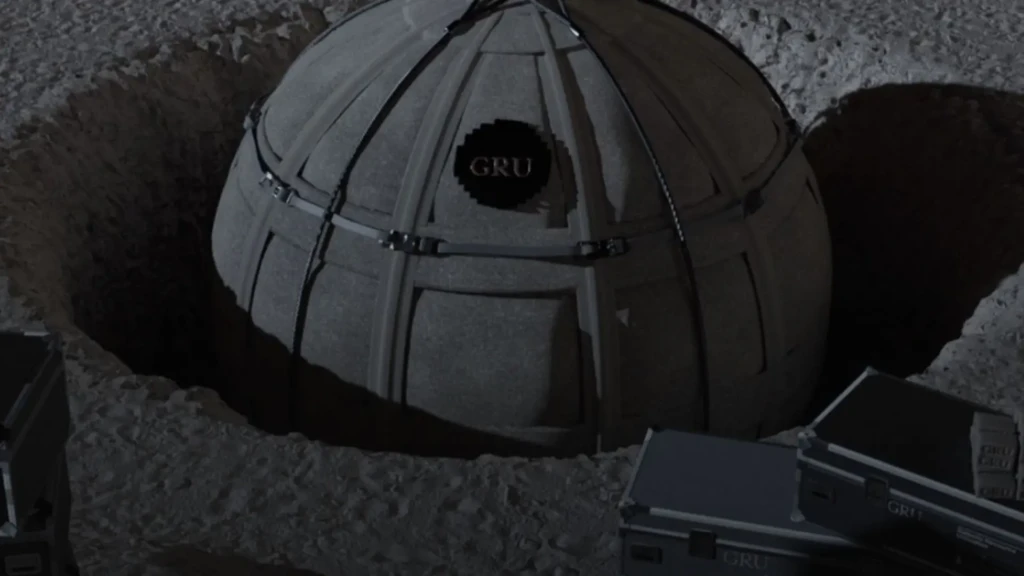
In 2032, the company will send the first hotel v1 using landers like Blue Origin‘s MK1 or SpaceX‘s Starship. Manufactured completely on Earth, v1 – designed to operate for 10 years – will be robotically deployed and inflated on the surface to support four guests at a time for five nights.
It will be equipped with a full Environmental Control and Life Support System (ECLSS), including carbon dioxide removal and oxygen generation, water reclamation, and thermal control along with an emergency rapid evacuation system in case of rapid depressurization, and a solar flare storm shelter.
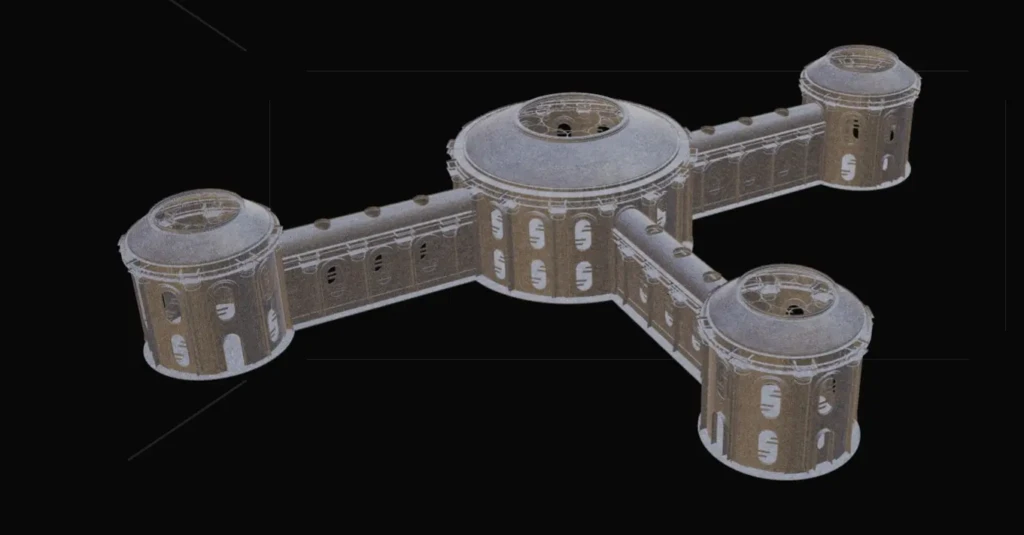
With Mission 4, GRU Space will implement ISRU to build v2 hotels with rigid structures made of lunar regolith around the inflatable modules. “We believe adding a regolith-built outer structure base will provide more protection that will allow for longer stays, lower total radiation doses, and lower risks from meteoroid impacts,” the white paper says. “It will also lessen the requirements on our inflatable materials, lowering their mass and letting us build out capacity faster.” The v2 hotels would have a capacity of 10 guests and operate for 20 years.
The company has stated that its ambition aligns with NASA’s goal of establishing a permanent human presence on the Moon as highlighted by the agency’s administrator Jared Isaacman.
NASA is working on the Artemis Program to achieve that goal in order to prepare for crewed missions to Mars. Artemis II, with four astronauts, is currently scheduled to launch as soon as February 6, followed by Artemis III – likely to launch no earlier than 2028. Recently, the US Department of Energy announced its collaboration with NASA to build a lunar surface reactor to power the Moon bases using nuclear energy.
ALSO READ: NASA’s Artemis II Crewed Moon Mission May Launch On Feb 6 – All The Records It Will Set
ALSO READ: NASA Chief Nominee Jared Isaacman Reiterates Pledge To Beat China In Moon Race