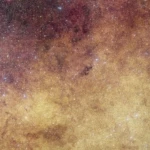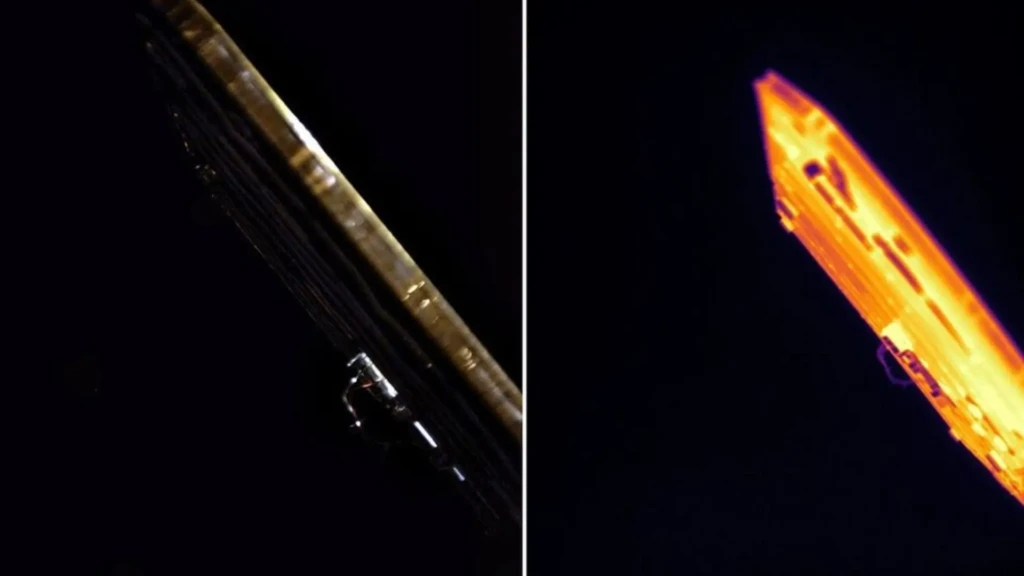
NASA has shared the first images from its Mars-bound ESCAPADE spacecraft. Captured on November 21, a week after launch, the images feature the spacecraft’s solar array in infrared and visible light. According to NASA, they were taken as part of the commissioning process to check that all the spacecraft’s instruments are functioning as expected.
“First light” for NASA’s ESCAPADE mission! 🚀 📸
These images, taken on Nov. 21, 2025, are ESCAPADE’s “first light,” or first images taken from space. Just about a week after launch, one of the two Mars-bound spacecraft took these images as part of the commissioning process,… pic.twitter.com/SKZoduYSjv
— NASA Solar System (@NASASolarSystem) November 24, 2025
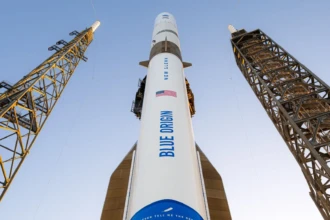
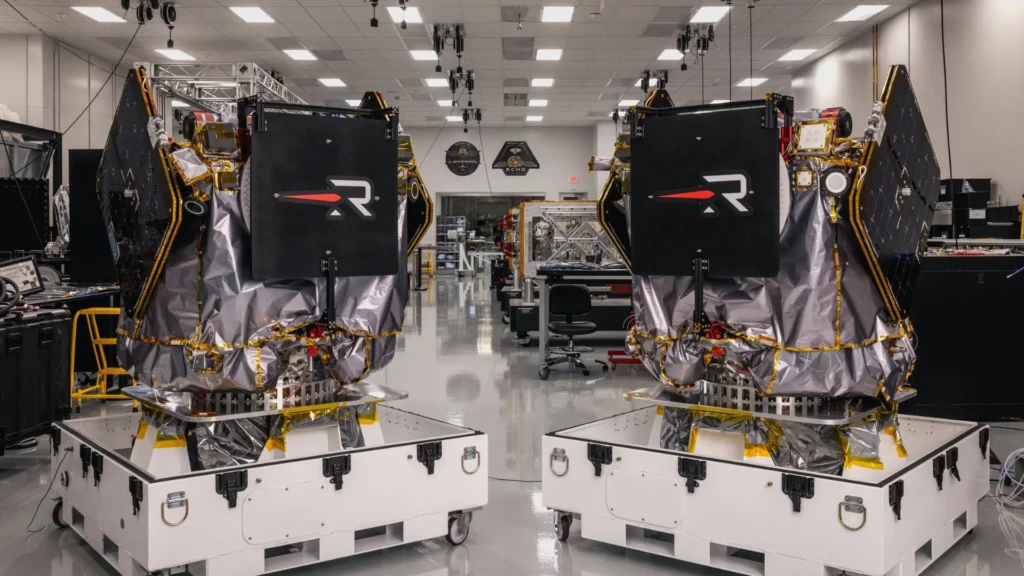
ESCAPADE is world’s first twin-spacecraft mission, launched by Blue Origin, to study the interaction of solar wind with the Martian magnetosphere. The two orbiters named Blue and Gold are equipped with four identical instruments to observe the planet from different orbits.
The pictures shared by NASA was captured by one of the spacecraft’s Visible and Infrared Observation System (VISIONS) cameras when ESCAPADE was 8,85,240 kilometers away from Earth. The one in bright orange was taken with the infrared sensor, showing which parts of the array are warmer and cooler.
“The images prove the cameras are working well. The visible-light image also suggests that the spacecraft should have the sensitivity to image Martian aurora from orbit,” NASA said in a statement. “The infrared camera will be used at Mars to better understand how materials on the surface heat up and cool down during Mars’ day-night cycle and over the planet’s seasons.”
ALSO READ: NASA’s ESCAPADE Mission Is Off To Mars. What Happens Next?
The ESCAPADE mission
The two satellites, that took off on November 14, are currently headed for the second Earth-Sun Lagrange Point (L2), where they will spend a year. When Earth and Mars get closer in late 2026, they will leave the halo orbit at L2 and begin their 11-month journey to Mars.
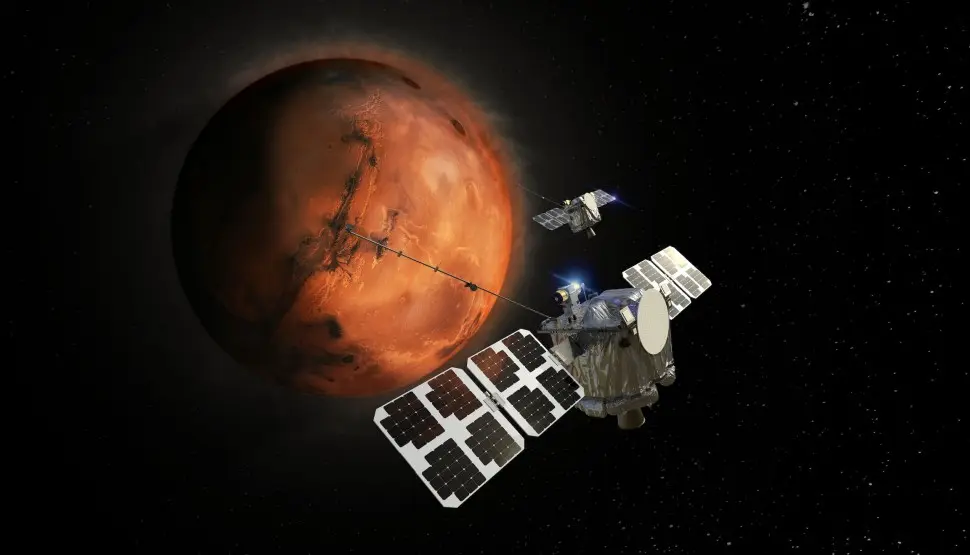
Once they reach the red planet, the orbiters will eventually occupy separate orbits and spend 11 months studying the processes that strip away atoms from Mars’ magnetosphere and upper atmosphere, driving Martian climate change. The findings may help scientists understand how Mars lost its oceans over billions of years.
ESCAPADE’s discoveries might also reveal how planets lose their atmosphere – a process that can affect habitability over time. It could also offer clues about how Earth’s atmosphere will evolve in the distant future.
ALSO READ: NASA Stacks Artemis 2 Spacecraft On Moon Rocket; Here’s What’s Next