Harvard Physicist Avi Loeb, who has been strongly pushing the possibility of comet 3I/ATLAS being an alien spacecraft, was not impressed with NASA’s recent press conference where the agency released pictures of the interstellar visitor. In a blog posted on Thursday, Loeb said he was not surprised with NASA’s stance of calling 3I/ATLAS just a comet and that the agency should have explained its anomalies better.
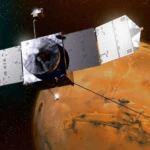
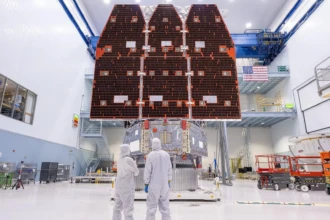
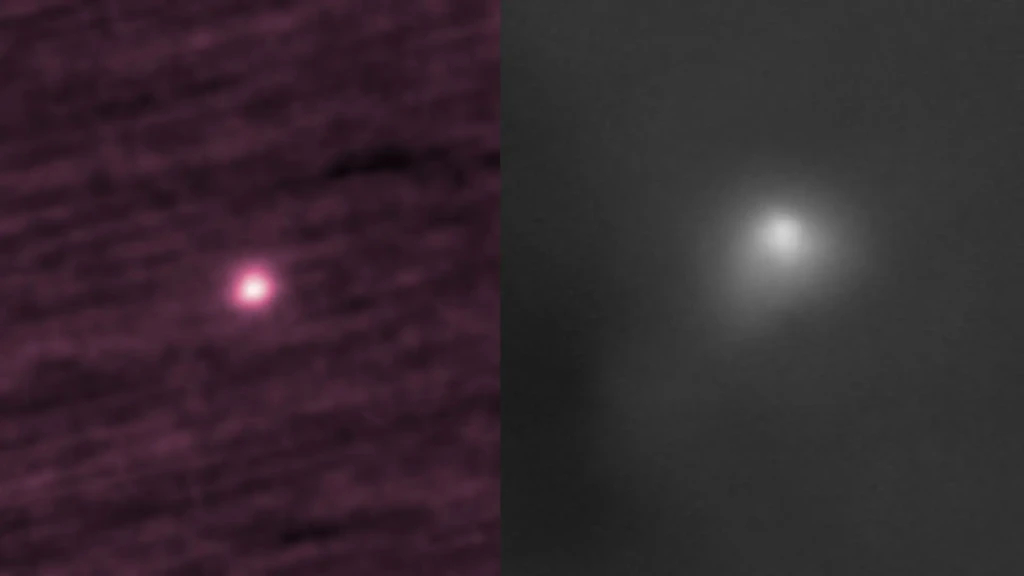
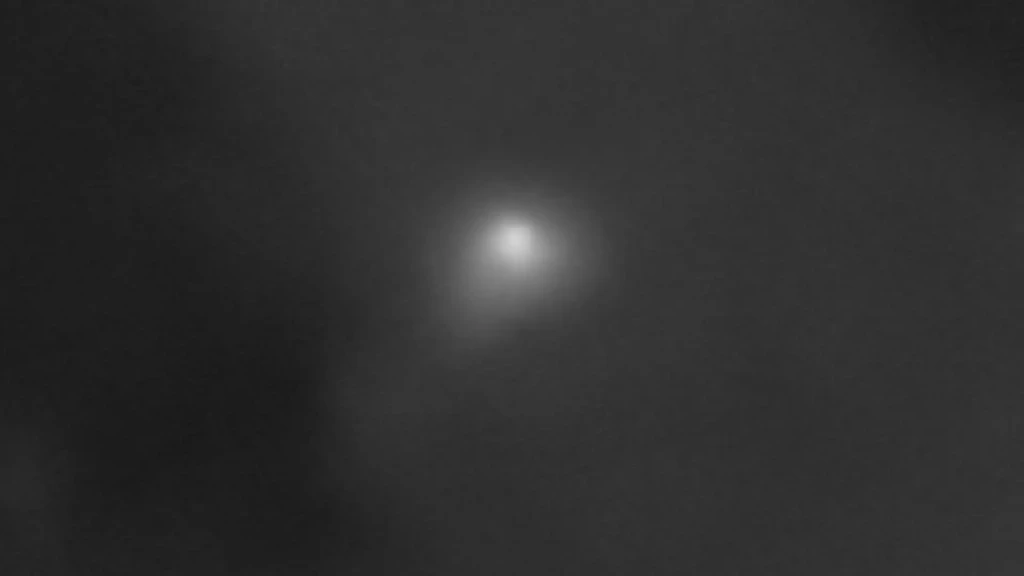
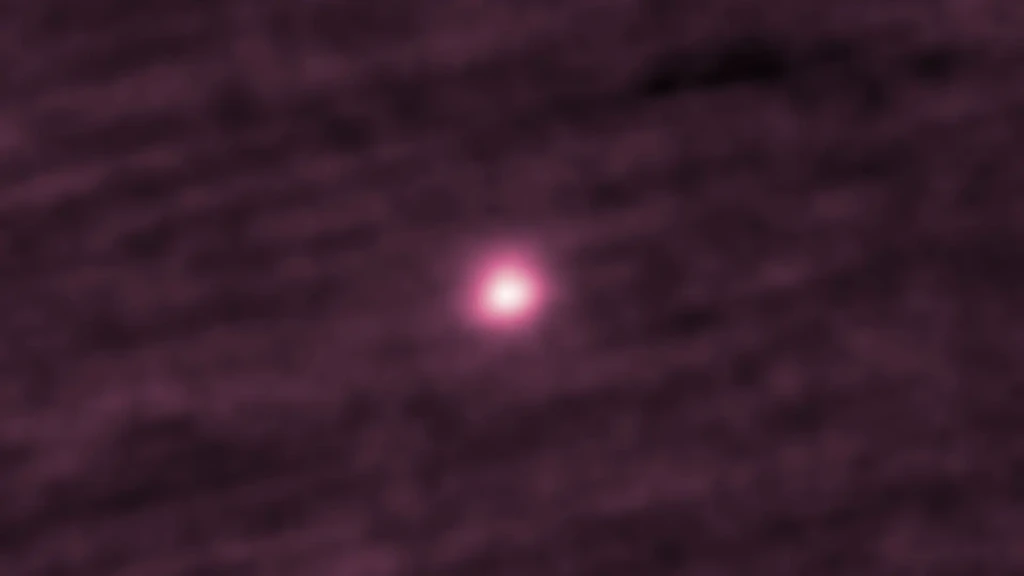
During the November 20 press conference, NASA shared pictures of the comet captured by its Mars orbiters and probes in deep space beyond the red planet.
“I was not surprised. There was no big news. NASA repeated the official mantra that 3I/ATLAS is a natural comet and that they were unable to process the data until recently because of the government shutdown,” Loeb wrote. He further said that NASA scientists “should have emphasized what we do not understand about 3I/ATLAS rather than insist that it is a familiar comet from a new birth environment.
He countered the space agency’s explanation of mysteries surrounding 3I/ATLAS when compared to native comets. “3I/ATLAS does have a few differences compared to comets from our own solar system – but that’s expected because it’s from an entirely different planetary system (one that we think could be older than ours!)” NASA posted on X. It further said that comparing 3I/ATLAS with other comets is like comparing coffees from different regions. “It’s still coffee, but with subtle flavor differences.”
❓…Anomalies❓
3I/ATLAS does have a few differences compared to comets from our own solar system – but that’s expected because it’s from an entirely different planetary system (one that we think could be older than ours!). But everything we’ve seen still fits with observed… pic.twitter.com/XHFULck4hA
— NASA Solar System (@NASASolarSystem) November 20, 2025
During the live event, NASA’s Associate Administrator Amit Kshatriya also emphasised that 3I/ATLAS is nothing but a comet.
ALSO READ: Comet 3I/ATLAS Live Tracking: How To Keep An Eye On This Interstellar Visitor?
Avi Loeb challenges NASA over 3I/ATLAS
Loeb has objected to the lack of explanation from NASA on the dozen anomalies of the comet such as its mass, which is a million times more than Oumuamua and a thousand times more than Borisov – the first and second interstellar comets found in 2017 and 2019, respectively.
Another puzzling fact is that 3I/ATLAS entered the solar system almost perfectly aligned with the plane in which the planets orbit the Sun, something which Loeb says has only about 0.2% chance of happening if the object is a random, natural icy rock. Citing pictures captured by amateur astronomers after 3I/ATLAS’s perihelion (closest point to the Sun), Loeb pointed out that 3I/ATLAS has multiple jets emerging from it both towards and away from the Sun.
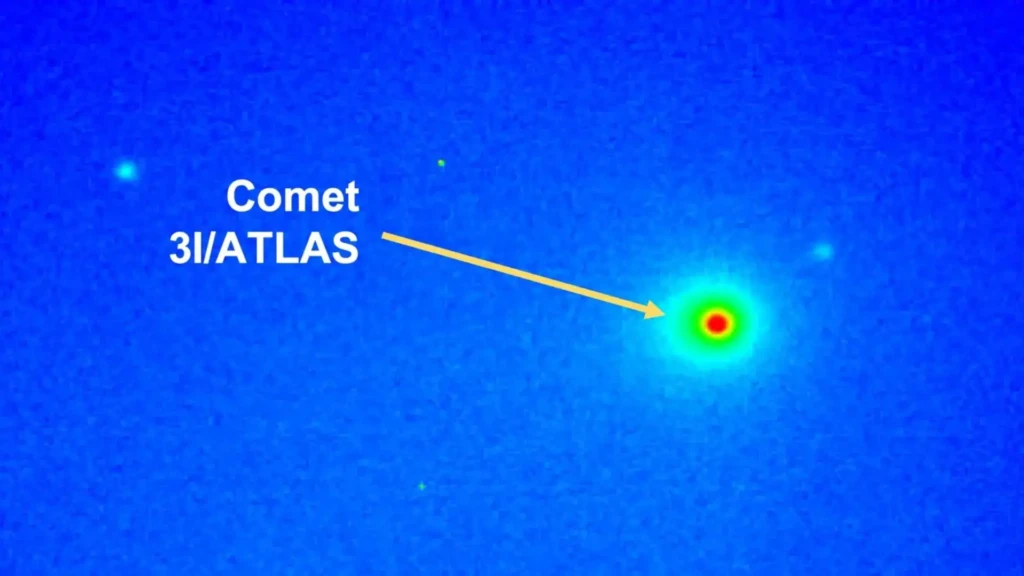
Currently behind the Sun on its way out of the inner solar system, 3I/ATLAS will be closest to Earth on December 19, allowing ground-based observatories as well as the Hubble and Webb telescopes to better measure the composition, speed and ‘mass loading rate’ (mass being released per unit of time) of these jets.
“These details will inform us without a doubt whether the jets are produced by natural pockets of ice that are warmed by sunlight or by technological thrusters,” Loeb said suggesting that maybe 3I/ATLAS is being powered by a propulsion system.
He also revealed that he suggested NASA to look for objects that either accompanied 3I/ATLAS or left it towards Mars and Earth, in case the comet happens to be a technological mothership that is releasing mini probes. Apparently, NASA didn’t pay heed to his advice. In his blog, Loeb went on to criticise “unimaginative scientists” for their rigid stance on 3I/ATLAS. “Imaginative scientists master the humility to learn something new from anomalies rather than display the arrogance of expertise,” adding that there are certain people “who want us to believe in the expected.”
ALSO READ: NASA Finally Releases Comet 3I/ATLAS Images Captured From Mars & Beyond