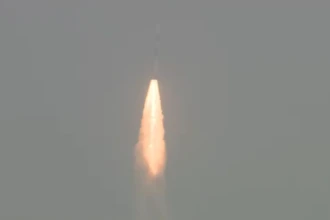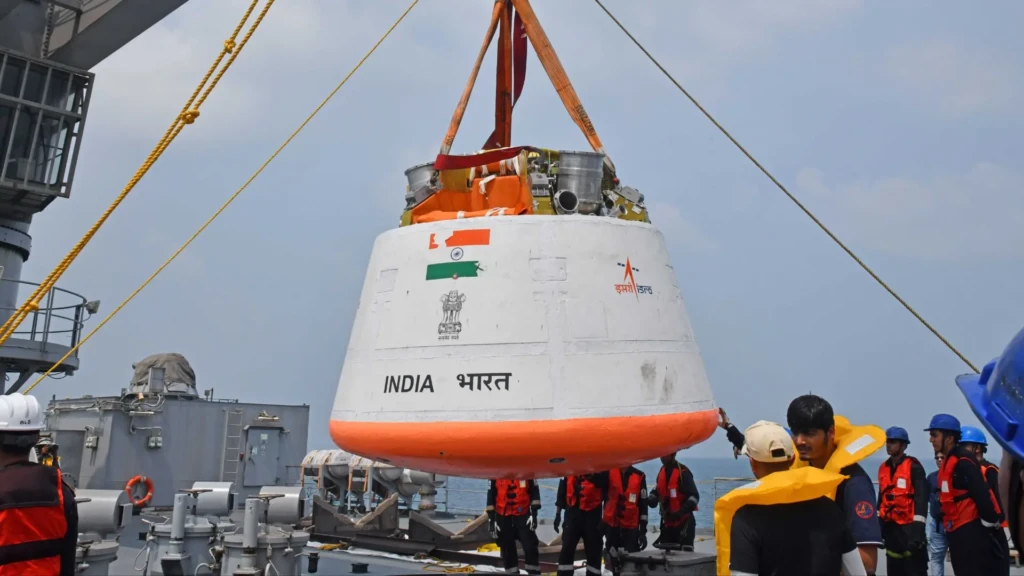
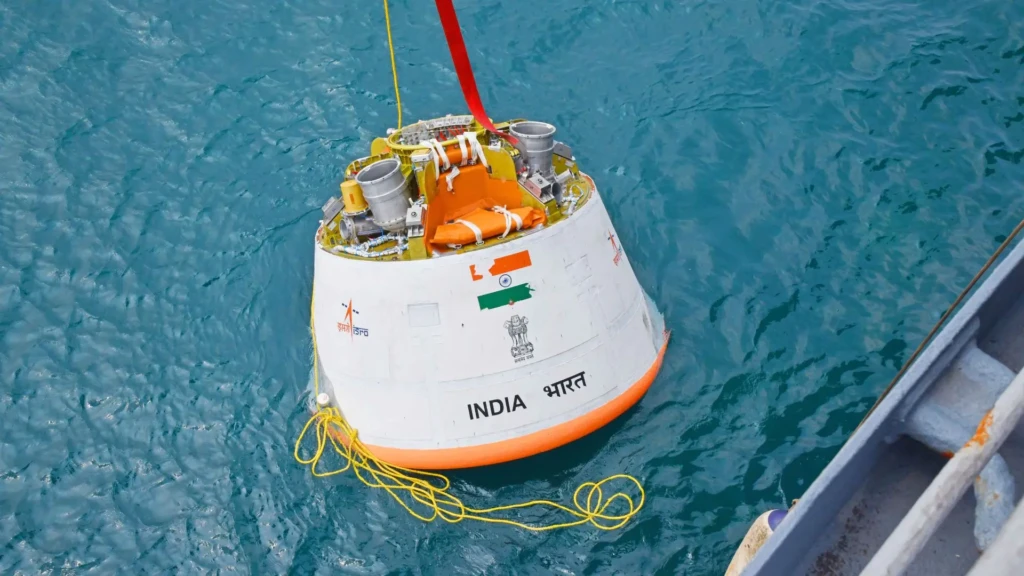
The first uncrewed test flight for the Gaganyaan program is no longer happening this year. The mission, which was initially planned for late 2025, has now been postponed to January 2026, ISRO Chairman Dr. V Narayanan said per India Today. The test flight, also called G1, will be the first of three to validate key technologies before launching humans to space in 2027. While ISRO is correct in prioritising safety of astronauts, which warrants relentless testing of critical components of the rocket and crew capsule, the delays are allowing India’s competitors to race past to the low-Earth orbit and the Moon.
China and US ramp up Moon preparations
While India is considered to be a counterweight to China in economic influence, the latter seems to be decades ahead in space. Apart from being the only country to retrieve samples from the Moon’s far side and only the third to bring samples overall, China also has its own space station (named Tiangong meaning ‘Heavenly Place’) which has been operational since 2021. Currently, Tiangong is the only space habitat other than the International Space Station (ISS), which is jointly managed by the US, Canada, Russia, Japan and Europe.
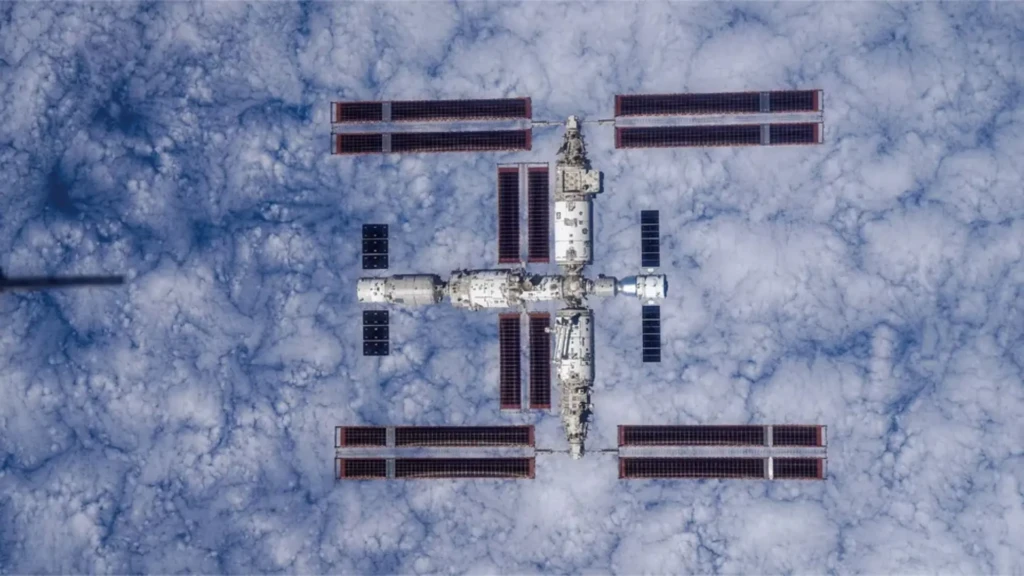
On the other hand, India plans to launch the first module of its Bharatiya Antariksha Station (BAS) in 2028 and expand it to four more modules by 2035. In comparison, China intends to land its first astronaut on the Moon before 2030.
As it is apparent now, we’re in another era of space race where US has a new and formidable rival in China. While the Americans won round one against the USSR, by landing 12 men on the Moon during the Apollo program, China’s progress has caused some insecurity among American experts. The insecurity has been amplified by a slew of tests of the Lanyue Moon lander and Long March rocket stages in the past few months which will take Chinese nationals to the lunar surface.
US Secretary of Transportation Sean Duffy, who is the outgoing acting Administrator of NASA, has publicly stated that he needs American companies to step up and accelerate the rate of progress to beat China. Billionaire Jared Isaacman, who will soon take over the job from Duffy, also vowed in his senate hearing in April to beat China to the Moon and plant American flags on Mars.
And the rush is not just to return to the Moon but establish sustainable bases on the lunar surface. It also involves constructing nuclear power plants that will power these bases, and Russia and China have already signed an agreement for the project. The two countries finalised the deal in May to complete the construction by 2035. In response to the development, Duffy directed NASA to put a nuclear reactor on the Moon by 2030.
Amid this intense competition between the perennial rivals, India’s growth in space has been steady but slow. Had everything been on track, the crewed Gaganyaan mission would have launched in 2024. However, it got postponed to 2026 last year, and again to 2027 in May this year.
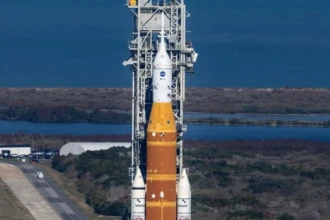
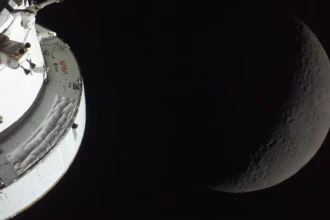
Although, it is worth mentioning that delays don’t plague just ISRO’s projects. NASA’s Space Launch System (SLS) rocket, which launched Artemis 1 was supposed to fly in late 2016 but took its first flight in November 2022. The Artemis 2 lunar mission also slipped from 2024 to 2026. Besides, SpaceX’s Starship development has also suffered setbacks which postponed the Artemis 3 Moon landing mission to 2027. NASA’s Mars Sample Return mission, which is on the brink of being cancelled, has faced years-long delay which increased its estimated cost from $3 billion in 2020 to at least $8 billion by 2024.
ALSO READ: China’s Tiangong Space Station Will Host Pakistani Astronaut In 2026
Where does India stand?
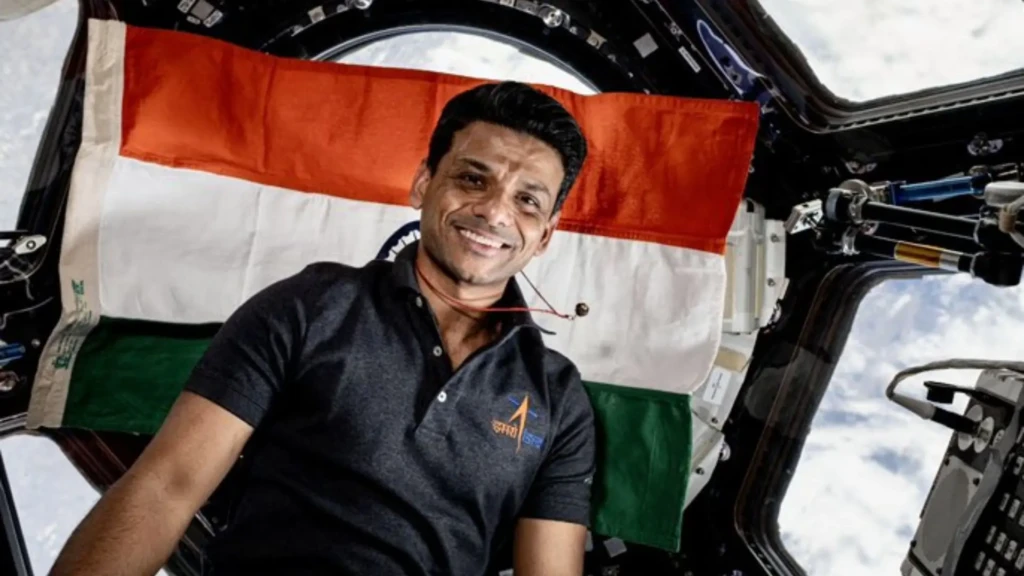
India’s space ambitions got a major boost with the launch of Group Captain Shubhanshu Shukla to the ISS during Axiom-4 mission, although, more such collaborations are needed to keep us in the competition. In addition to Gaganyaan, ISRO has several other big missions in the pipeline such as Chandrayaan-4 and its successors as well as Shukrayaan to explore Venus in 2028. Dr. Narayanan reportedly said that more than 8,000 tests regarding Gaganyaan’s first test mission are complete and hardware integration activities are underway at the Satish Dhawan Space Centre.
India’s pace reflects its self-awareness that is based on the teachings of Dr. Vikram Sarabhai, the father of the country’s space program. “We do not have the fantasy of competing with the economically advanced nations in the exploration of the moon or the planets or manned space-flight,” Dr. Sarabhai had said.
“But we are convinced that if we are to play a meaningful role nationally, and in the community of nations, we must be second to none in the application of advanced technologies to the real problems of man and society.”
ALSO READ: Comet 3I/ATLAS: Should We Take Avi Loeb’s Alien Theory Seriously?