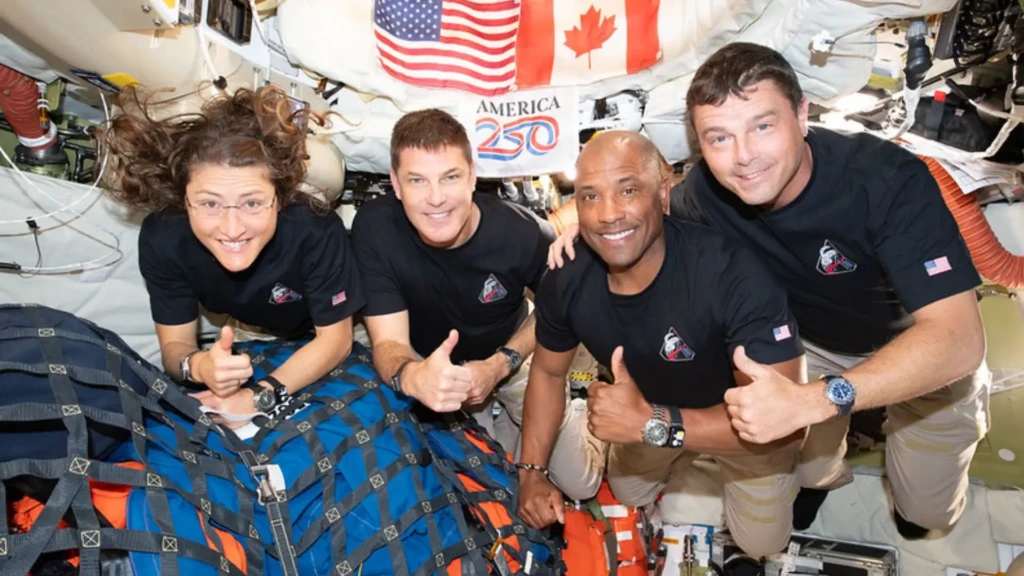
NASA’s Artemis II astronauts are finally home!
The Orion spacecraft has splashed down safely in the Pacific Ocean off the coast of San Diego, California, ending the historic 10-day long Moon mission.
Welcome home Reid, Victor, Christina, and Jeremy! 🫶
The Artemis II astronauts have splashed down at 8:07pm ET (0007 UTC April 11), bringing their historic 10-day mission around the Moon to an end. pic.twitter.com/1yjAgHEOYl
— NASA (@NASA) April 11, 2026
The crew of four astronauts – Reid Wiseman, Christina Koch, Jeremy Hansen and Victor Glover – were rescued from the spacecraft named ‘Integrity’ by the US Navy personnel who brought them safely aboard the USS John P. Murtha.
NASA said during the live broadcast that the astronauts were in excellent health. Prior to reentry, the service module of the Orion spacecraft which provided it with electricity, water and other life support elements separated to burn up in the atmosphere.
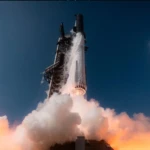
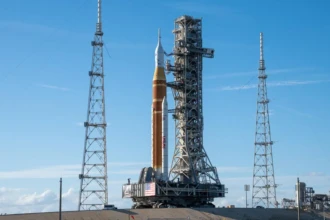
Artemis II launched on April 2 aboard the Space Launch System (SLS) rocket from NASA’s Kennedy Space Center in Florida. It was the first crewed lunar mission launched by NASA since 1972.
The Artemis II astronauts will undergo a quick medical evaluation aboard the USS Murtha before they’re flown to the Johnson Space Center in Houston, Texas.
NASA teams had their fingers crossed for the reentry, when the spacecraft attained speed up to 38,000 km per hour and endured temperatures as high as 2,800 degrees Celsius. It was cause for concern because during Artemis I, the uncrewed Orion spacecraft’s heatshield eroded more than expected. But like everything else during Artemis II, the reentry went exactly as planned.
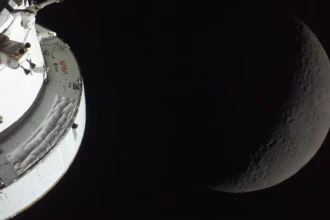
Ever since its launch, Artemis II broke several records including travelling the farthest distance from Earth set during Apollo 13 in 1970. The Orion spacecraft also travelled more than one million kilometres in total from launch to splashdown. Besides, the four astronauts became the first humans to see the far side of the Moon as they looped around it before journeying back to home.
ALSO READ: NASA Artemis II: Why This Moon Mission Is Our Generation’s Apollo 8
ALSO READ: Four Moon Missions By 2028? How NASA Envisions Artemis Program After Sweeping Changes