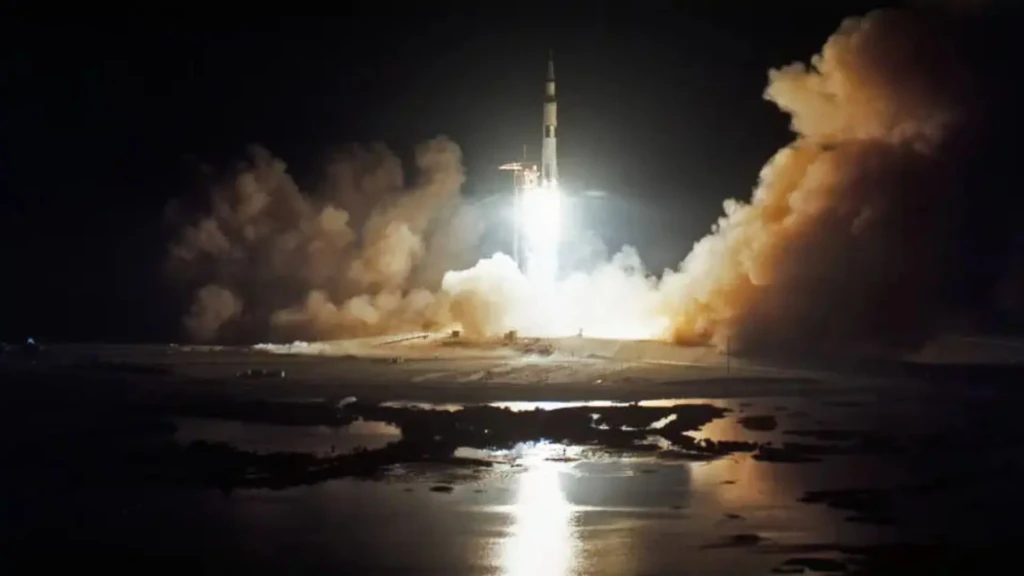
Humanity’s last Moon landing mission touched down on the lunar surface 53 years ago on December 11. NASA‘s Apollo 17 lifted off atop the Saturn V rocket on December 7 from the Kennedy Space Center and a few days later, came the sixth and final touchdown on the Moon. Three more lunar missions were in the pipeline but they were scrapped, marking Apollo 17 as the end of the Apollo program.
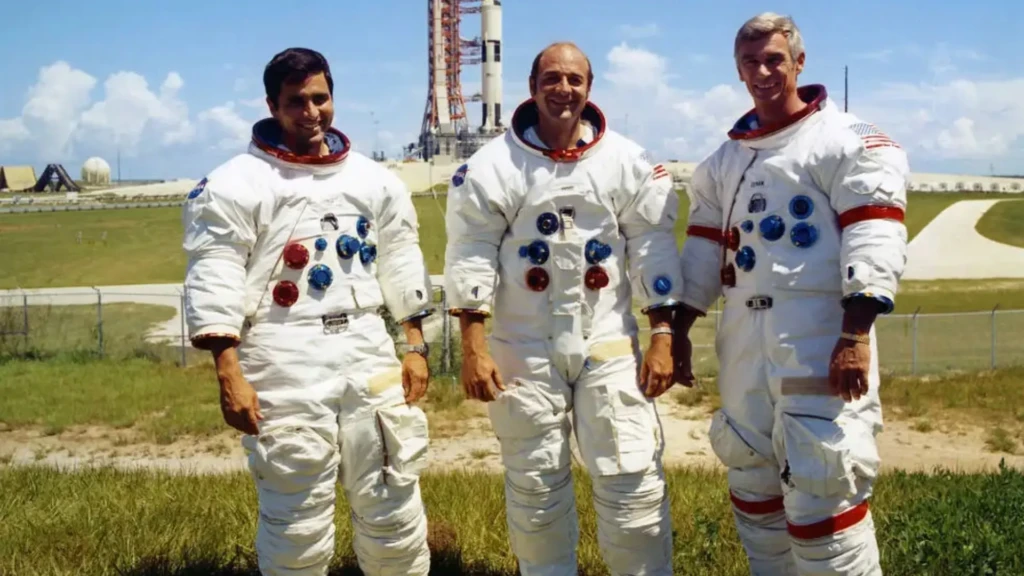
Apollo 17 reached lunar orbit on this day in history in 1972. The crew consisted of:
👨🚀 CDR Gene Cernan
👨🚀 CMP Ron Evans
👨🚀 LMP Harrison SchmittCernan was a veteran astronaut but it was the first spaceflight for both Evans and Schmitt. More on the mission:… pic.twitter.com/vqxtQ6czYP
— National Air and Space Museum (@airandspace) December 10, 2025
Highlights of the Apollo 17 mission
Apollo 17 carried a crew of three astronauts – Eugene Cernan (commander), Harrison H. Schmitt (lunar module pilot) and Ronald E. Evans (command module pilot). Schmitt was the first trained geologist to travel to the Moon and Apollo 17, that lasted 12 days, 13 hours and 52 minutes, was his only spaceflight.
About three days after launch, the crew entered the lunar orbit on December 10, and attempted the landing in the Moon’s Taurus-Littrow region the next day. This area has highlands and valleys which was chosen because NASA believed it may feature rocks both older and younger than those returned from previous Apollo missions.
The Apollo spacecraft had two major components – the Command module and the Lunar Module. The Command module was where the astronauts lived whereas the Lunar Module was the one which landed on the surface. Once the spacecraft was in orbit, Cernan and Schmitt transferred into the Lunar Module while Evans remained in the Command module, orbiting the Moon.
At 2:55 pm EST on December 11 [1:25 am IST, Dec 12], the Lunar Module touched down on the Moon. The two astronauts spent a total of 75 hours on the surface and conducted three extravehicular activities (EVAs) totaling 22 hours. The first EVA lasted seven hours and 12 minutes, the second lasted seven hours and 37 minutes, and the third was seven hours and 16 minutes long.
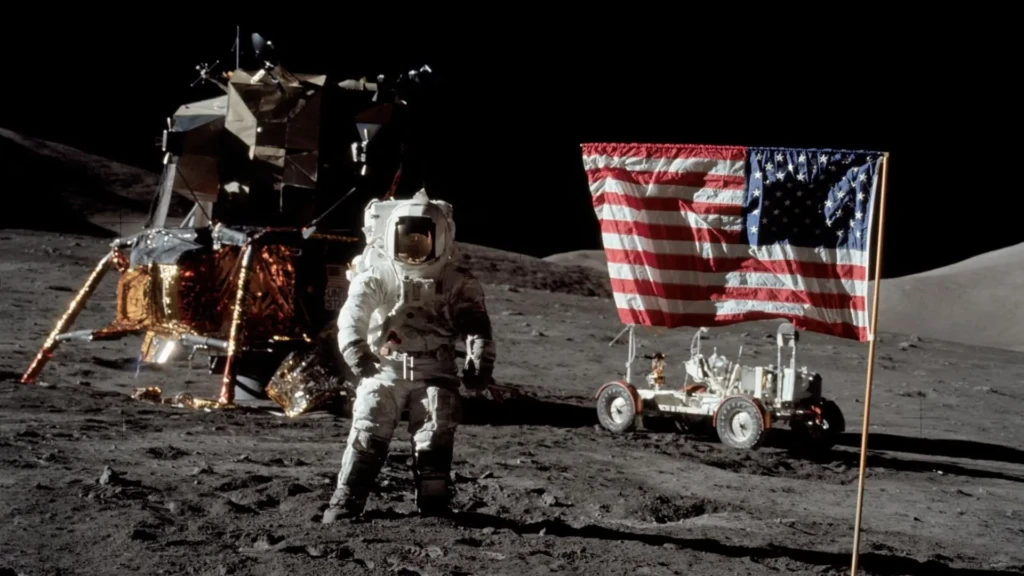
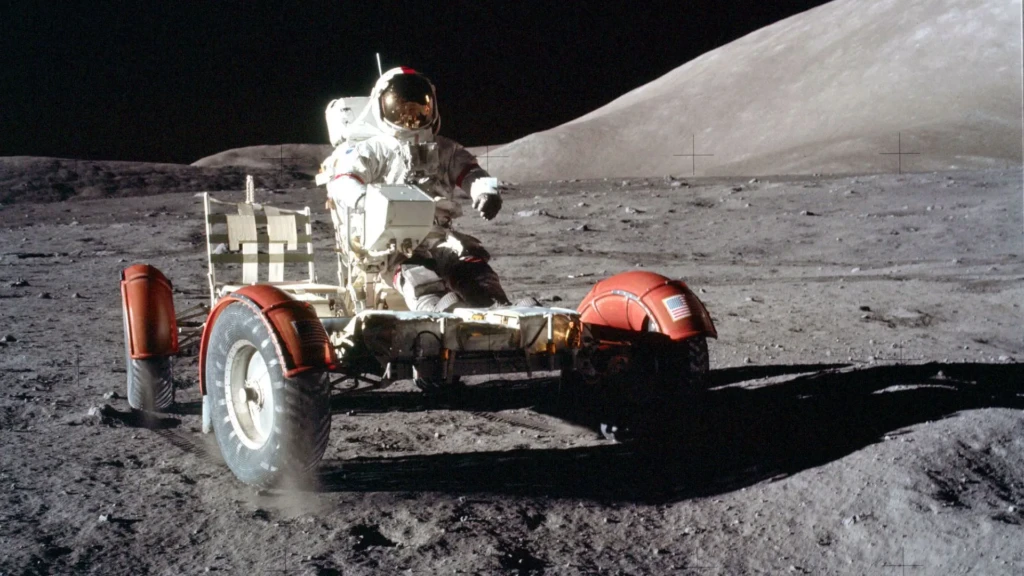
NASA says the objectives of EVAs were geological surveying, sampling of surface materials, and lunar seismic profiling among others using various instruments. Apollo 17 also deployed the Lunar Rover which the astronauts used to traverse 30 kilometres. According to NASA, the astronauts brought 110 kg of lunar materials back to Earth, which is 34 kg more than Apollo 16. The materials also included orange soil found in the Taurus-Littrow region, which was a big surprise.
Once their job was done, the Lunar Module’s ascent stage lifted off at 5:54 pm on December 14 [4:24 am, Dec 15], and docked with the Command Module a little over two hours later. After four days of journey, the Command Module splashed down in the Pacific Ocean on December 19. NASA hasn’t returned to the Moon ever since, but plans to do so as soon as February 2026 with the Artemis II mission.
ALSO READ: NASA Stacks Artemis 2 Spacecraft On Moon Rocket; Here’s What’s Next
ALSO READ: Artemis Vs Apollo: Why New Prada Spacesuits Are Better For NASA Astronauts