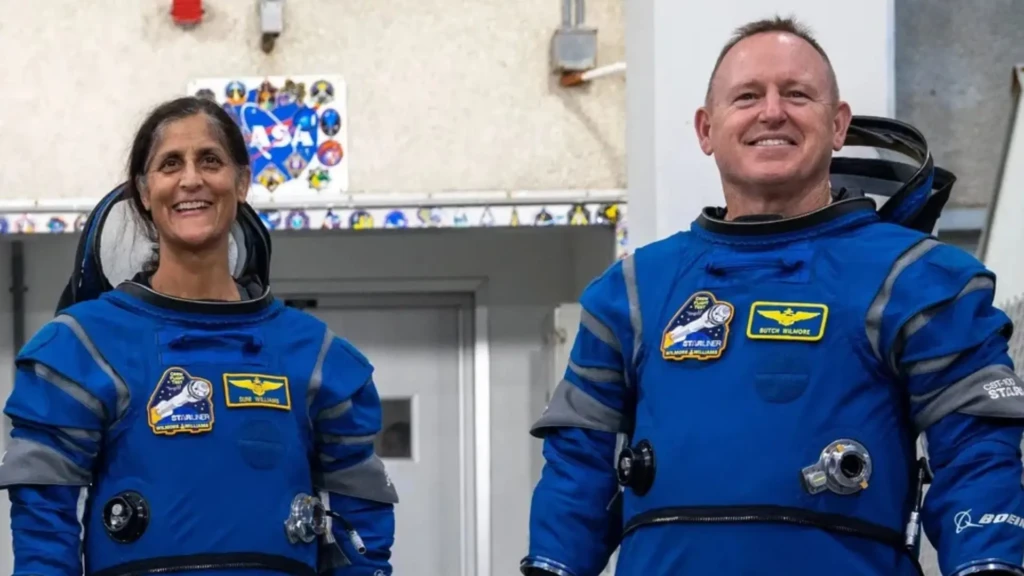
NASA finally seems to be taking accountability for the ill-fated Boeing Crew Flight Test (CFT) mission of 2024. During a press conference on Friday, NASA administrator Jared Isaacman discussed the failures of the mission which left astronauts Sunita Williams and Barry Wilmore stranded on the International Space Station (ISS) for months. Isaacman stated that the problems with the mission was not just hardware but “decision making and leadership that, if left unchecked, could create a culture incompatible with human spaceflight.”
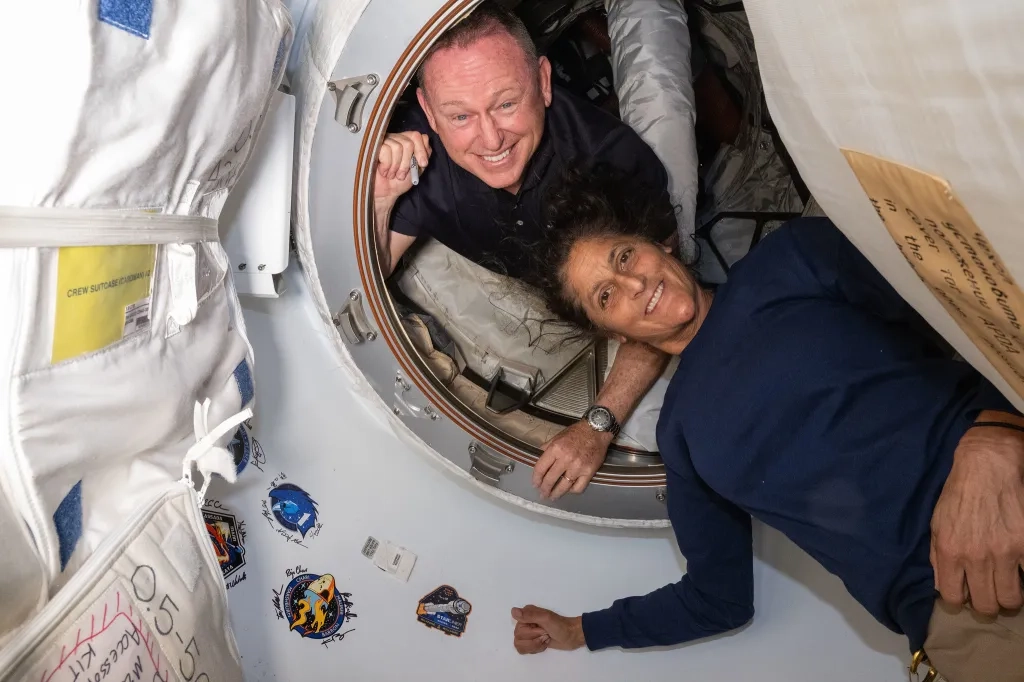
The Boeing mission launched on June 5, 2024, and was supposed to last just 10 days. But on its way to the ISS, the Starliner spacecraft suffered helium leaks in its propulsion system and multiple thruster failures that almost made the docking impossible.
LIVE: We’re discussing the findings of investigations into the 2024 crewed test flight of Boeing Starliner to the International Space Station. https://t.co/99roTJ8XAA
— NASA (@NASA) February 19, 2026
In the weeks and months that followed, NASA and Boeing tried to convince the world that the problem was being fixed and Starliner was the spacecraft in which Williams and Wilmore will return home. Fast forward to September 2024, NASA and Boeing failed to find a solution to fix the problems and finally admitted Starliner was unfit for a safe return.
SpaceX stepped in and brought the astronauts back safely in March 2025.
Isaacman rebukes NASA leadership
Isaacman, who took charge as NASA administrator in December 2025, lashed out against the previous leadership for their approach. In an agency-wide letter, he said that “the path we took did not reflect NASA at its best” and listed organisational root causes which made the mission almost fatal.
Below is the note that I sent to the NASA workforce today as we release the report on the Starliner Crew Flight Test Investigation.
We will achieve success through extreme ownership, immense competence, and decisive action. pic.twitter.com/UoXI25PFOQ
— NASA Administrator Jared Isaacman (@NASAAdmin) February 19, 2026
NASA has now designated the Crew Flight Test a ‘Type A’ mishap; Challenger and Colombia space shuttle disasters also belong to the same category. It also released a 311-page report explaining the findings of the investigation into the mission.
One of the causes, according to Isaacman, was NASA’s desire to have two different crew transportation systems, which “influenced technical and operational risk discussions.” The agency currently avails transportation and launch services to and from the station from SpaceX, and NASA may have acted in haste in trying to certify Starliner for crew flights.
Starliner has flown four times since December 2019 and has suffered major anomalies in all those missions, but the most consequential of those failures entailed the CFT launch.
Isaacman’s letter noted – “It is worth restating what should be obvious. At that moment, had different decisions been made, had thrusters not been recovered, or had docking been unsuccessful, the outcome of this mission could have been very different.”
In November 2025, NASA announced that Boeing is preparing for another cargo mission to the ISS and it is scheduled to launch in 2026. When asked about the launch timeline, Isaacman said that his team will work with Boeing to minimise Starliner risks before flying again, Ars Technica reported. Meanwhile, the technical investigations to identify the direct causes of Starliner’s CFT failures are still underway.
ALSO READ: 608 Days, 3 Missions, 9 Spacewalks: Sunita Williams Retires From NASA After 27 Years
ALSO READ: NASA Selects VAST For Sixth Private Crew Mission To International Space Station In 2027